Early childhood is one of the most important phases in a child’s life. During these years, children begin to explore the world, build relationships, and develop the foundation for future learning. Preschool plays a major role in shaping these early experiences. It introduces children to structured learning, social interaction, and new environments that help them grow both academically and emotionally. If you are searching for a quality play school in faridabad, choosing the right preschool can make a significant difference in nurturing your child’s curiosity, confidence, and love for learning.
Many parents wonder whether preschool is truly necessary. The reality is that pre school offers several long-term benefits that go beyond basic education. It helps children develop communication skills, confidence, creativity, and the ability to work with others. Below are seven smart reasons why pre school can significantly improve a child’s social and learning skills.
1. Builds Strong Social Skills Early
One of the biggest advantages of preschool is that it helps children learn how to interact with others. At home, children mostly interact with family members, but preschool introduces them to teachers and classmates.
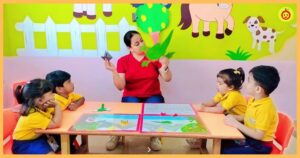
In a preschool environment, children learn how to share toys, take turns, cooperate in group activities, and respect personal space. These early social interactions teach them patience and empathy. They also begin to understand how to express their feelings and listen to others.
Developing these social skills early makes it easier for children to adjust when they enter primary school and begin participating in larger classrooms.
2. Encourages Communication and Language Development
Preschool plays a significant role in improving a child’s language and communication abilities. Children are constantly exposed to conversations, storytelling sessions, songs, and classroom discussions.
Teachers encourage children to speak, ask questions, and participate in activities. This helps improve vocabulary, sentence formation, and listening skills. Children who attend preschool often develop stronger verbal communication compared to those who start formal schooling later.
Better communication skills also help children build friendships and express their thoughts more confidently.
3. Introduces Structured Learning Habits
Preschool introduces children to a structured learning environment. They learn how to follow a routine that includes learning time, playtime, snack breaks, and group activities.
This structure helps children develop discipline and focus. They learn to follow instructions, complete tasks, and stay engaged in classroom activities. These habits make the transition to kindergarten and primary school much smoother.
Children who are familiar with classroom routines often adapt more quickly to formal education systems.
4. Supports Emotional Development
Preschool helps children understand and manage their emotions. Being around other children exposes them to different personalities, behaviors, and situations.
Through guided activities and teacher support, children learn how to deal with frustration, disappointment, and excitement. They begin to understand emotions such as kindness, empathy, and cooperation.
Learning emotional control at an early stage helps children develop resilience and confidence in social settings.
5. Enhances Cognitive and Problem-Solving Skills
Pre school programs include activities that stimulate curiosity and critical thinking. Puzzles, storytelling, art projects, and interactive games help children develop cognitive abilities.
These activities encourage children to observe, question, and experiment. For example, building blocks can help them understand shapes and balance, while storytelling can improve memory and imagination.
Such experiences support brain development and prepare children for more advanced learning in the future.
6. Promotes Independence and Confidence
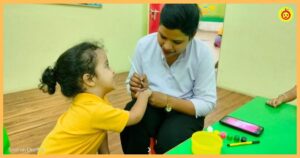
Attending preschool allows children to spend time away from their parents in a safe and supportive environment. This experience helps them become more independent.
They learn to make small decisions, complete simple tasks on their own, and take responsibility for their belongings. These small achievements build confidence and self-esteem.
As children become more comfortable in social settings, they develop the courage to try new activities and interact with others without hesitation.
7. Creates a Strong Foundation for Academic Success
Preschool introduces children to basic academic concepts in a fun and engaging way. They begin learning early literacy skills such as recognizing letters, listening to stories, and identifying sounds.
They are also introduced to basic math concepts like counting, shapes, and patterns. These activities are usually taught through games and creative exercises so that children enjoy learning.
When children enter primary school with these foundational skills, they often adapt more easily and perform better academically.
Choosing the Right Preschool for Your Child
While preschool offers many benefits, choosing the right learning environment is important. Parents should look for preschools that focus on balanced development rather than only academic performance.
A good preschool program should include creative play, interactive learning, and opportunities for social interaction. Teachers should be trained to guide children patiently and create a safe, encouraging environment.
Classroom size, learning materials, hygiene, and safety are also important factors parents should consider when selecting a preschool.
Final Thoughts
Preschool is more than just an early education program. It is a space where children learn essential life skills that shape their personality and learning habits. From building social connections to developing communication and problem-solving abilities, preschool plays a vital role in early childhood development.
Parents who invest in quality preschool education often notice improvements in their child’s confidence, curiosity, and readiness for school. These early experiences create a strong foundation that supports both academic success and personal growth in the years ahead.