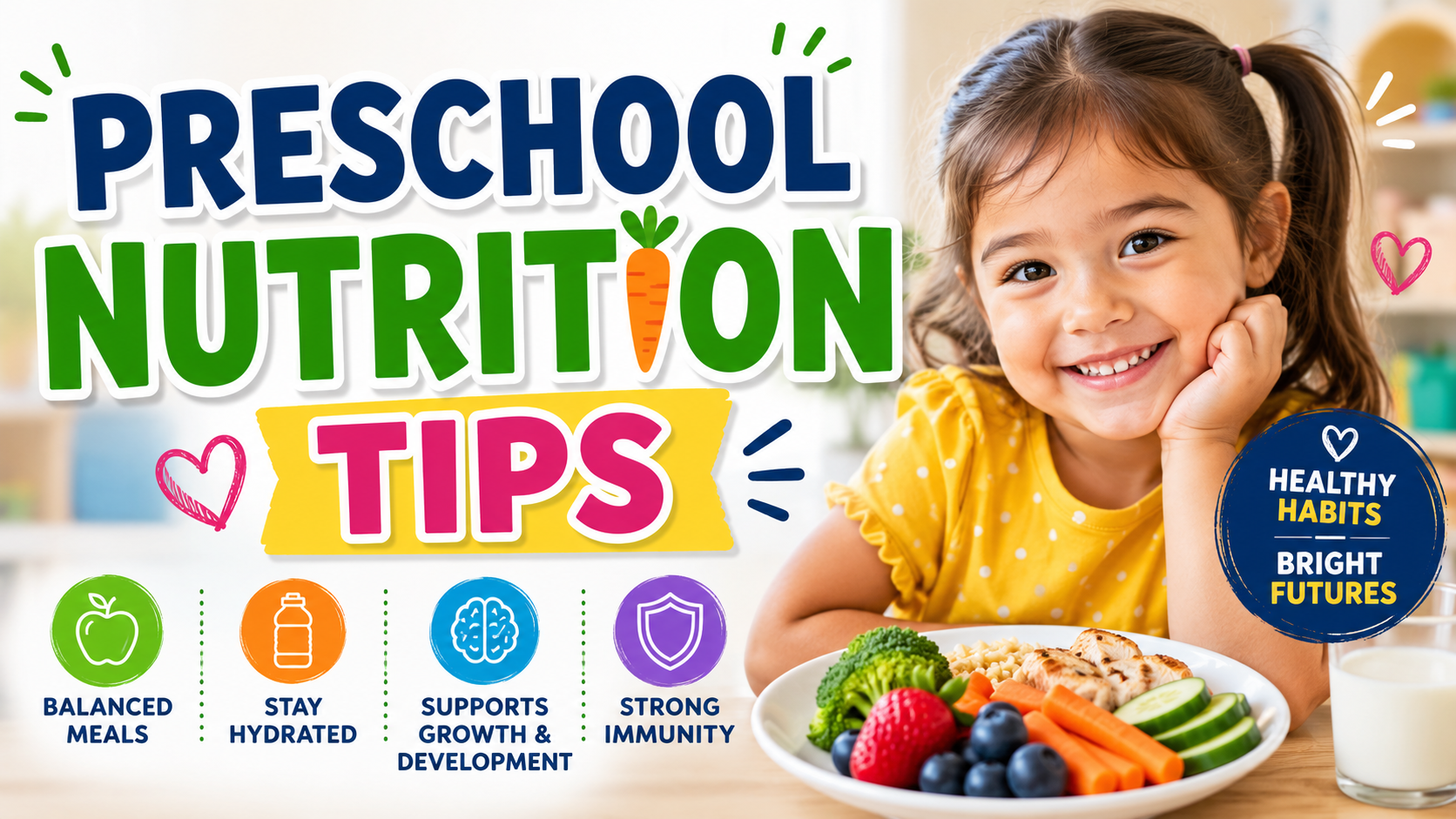
Parents often focus on academic readiness during the early years, but nutrition plays an equally important role in shaping a child’s physical health, emotional well-being, and cognitive development. The right food choices during preschool years support stronger immunity, better concentration, improved memory, and steady growth. These Preschool Nutrition Tips can help parents create healthy eating habits that last a lifetime while supporting learning and development.
Why Nutrition Matters During Preschool Years
Preschool children experience rapid growth and major brain development between the ages of three and five. During this stage, their bodies require essential nutrients such as protein, calcium, iron, omega-3 fatty acids, vitamins, and healthy carbohydrates. A nutrient-rich diet improves energy levels, supports healthy weight management, and helps children stay active throughout the day.
Many experts emphasize that healthy eating for preschoolers is not just about avoiding junk food. It is about creating balanced meals that support attention span, emotional regulation, and social development. Children who eat nutritious meals regularly often perform better in classroom activities and are more likely to develop positive food habits later in life.
Preschool Nutrition Tips for Building Strong Foundations
One of the most effective Preschool Nutrition Tips is to establish a consistent meal routine. Preschoolers thrive on structure, and regular meal timings help maintain energy and mood stability. Parents should aim for three balanced meals and two healthy snacks each day.
Including fruits, vegetables, whole grains, dairy, and lean proteins in daily meals ensures children receive a balanced diet for kids that supports healthy development. Instead of forcing children to eat, offer a variety of colorful foods and encourage them to try different textures and flavors.
Hydration is another essential factor. Water should always be the first choice instead of sugary drinks or excessively packaged juices. Proper hydration supports digestion, concentration, and physical activity.
Foods That Support Brain Development
Brain growth during the preschool years depends heavily on nutrient intake. Certain brain development foods are especially helpful for memory, focus, and learning abilities. Eggs, fatty fish, nuts, seeds, yogurt, berries, and leafy vegetables provide nutrients that nourish the brain.
Iron-rich foods are particularly important because low iron levels can affect cognitive function and energy. Adding spinach, lentils, beans, and fortified cereals to meals can help improve iron intake naturally.
Parents should also include omega-3-rich brain development foods such as walnuts, chia seeds, and salmon whenever possible. These foods contribute to healthy brain connections and support problem-solving skills.
Creating Healthy Mealtime Habits
Developing positive mealtime routines can make healthy eating easier and less stressful. One of the practical Preschool Nutrition Tips is to involve children in meal planning and preparation. Simple tasks like washing vegetables or arranging fruit slices can increase interest in healthy meals.
Avoid using food as a reward or punishment. Instead, focus on building a positive relationship with food. Preschoolers often imitate adult behavior, so parents should model healthy eating habits consistently.
Limiting distractions during meals is equally important. Eating together at the dining table without screens encourages mindful eating and better family communication.
Quick Takeaways for Parents
- Offer meals at consistent times every day.
- Include protein and fiber in snacks to maintain energy.
- Introduce new foods gradually without pressure.
- Encourage water over sugary beverages.
- Keep healthy snacks visible and accessible.
These simple Preschool Nutrition Tips can significantly improve eating patterns and reduce mealtime struggles.
The Role of Protein, Calcium, and Healthy Fats
Protein supports muscle growth, tissue repair, and immune function. Foods like eggs, paneer, beans, yogurt, chicken, and lentils are excellent sources of protein for preschoolers.
Calcium is essential for developing strong bones and teeth. Dairy products, sesame seeds, tofu, and leafy greens contribute to a balanced diet for kids while supporting bone health.
Healthy fats should not be overlooked. Avocados, nuts, seeds, and olive oil provide energy and assist with vitamin absorption. Many pediatric nutritionists recommend including healthy fats daily because they are among the most beneficial for brain development in young children.
Managing Picky Eating Without Stress
Picky eating is common during preschool years. However, forcing children to eat often creates resistance and anxiety around meals. One of the smartest Preschool Nutrition Tips is to stay patient and consistent.
Children may need multiple exposures to a new food before accepting it. Offering small portions alongside familiar foods can increase acceptance over time. Parents should avoid labeling foods as “good” or “bad” and instead focus on balance and moderation.
Healthy eating for preschoolers becomes easier when children feel involved and empowered. Giving them simple choices like selecting between apples or bananas encourages independence while maintaining nutritional quality.
Smart Snack Ideas for Preschoolers
Snacks play a major role in maintaining energy levels throughout the day. Nutritious snacks help prevent irritability and improve focus during learning activities.
Some easy snack ideas include:
- Yogurt with berries
- Whole-grain sandwiches with paneer
- Apple slices with peanut butter
- Homemade vegetable cutlets
- Boiled eggs and fruit combinations
These options support a balanced diet for kids while providing essential nutrients for active preschoolers.
Parents searching for educational support programs often explore a quality play school in faridabad that also promotes healthy eating habits through meal planning and wellness activities.
Nutrition and Learning Go Hand in Hand
A child’s ability to learn is directly connected to nutritional health. Preschoolers who consume healthy meals are often more attentive, emotionally stable, and physically active in classroom settings.
Combining proper nutrition with Creative Learning Activities for Preschoolers creates a stronger foundation for long-term academic success. Activities that involve storytelling, art, movement, and sensory play become more engaging when children are properly nourished.
Schools and parents can work together to encourage healthy eating for preschoolers by introducing nutrition education in fun and age-appropriate ways. Gardening projects, cooking activities, and interactive meal discussions can make children more excited about healthy foods.
Common Nutritional Mistakes Parents Should Avoid
Even well-meaning parents can make mistakes that affect their child’s eating habits. One common issue is relying heavily on packaged snacks marketed as “healthy.” Many processed foods contain excess sugar, sodium, and artificial additives.
Another mistake is skipping breakfast. A healthy breakfast improves concentration and provides energy for early learning activities. Oatmeal, eggs, fruit smoothies, and whole-grain toast are excellent morning options.
Parents should also avoid excessive sugar consumption. High sugar intake may contribute to mood swings, reduced concentration, and unhealthy weight gain. Replacing sugary desserts with fruit-based alternatives supports healthy eating for preschoolers without making children feel deprived.
Preschool Nutrition Tips for Long-Term Healthy Habits
Teaching healthy habits early increases the likelihood that children will continue making nutritious choices as they grow older. Families should aim to create a supportive food environment rather than focusing on strict restrictions.
Keeping healthy foods readily available at home encourages better decision-making. Parents can also create weekly meal plans to maintain a balanced diet for kids without relying on convenience foods.
Consistency is key when implementing Preschool Nutrition Tips. Small daily improvements often produce better long-term results than drastic changes.
Building a Positive Relationship With Food
Children should learn that food is fuel, enjoyment, and nourishment rather than stress or control. Encouraging family meals, celebrating healthy choices, and introducing diverse cuisines can help preschoolers develop curiosity about food.
Parents who prioritize nutritious meals, regular routines, and positive communication create an environment where children feel confident exploring new foods. Including nutrient-rich brain development foods regularly can support memory, creativity, and overall emotional well-being.
For additional guidance, parents can explore related resources on healthy lunchbox ideas, screen-free family routines, and child wellness strategies to build a complete approach to preschool development.
Conclusion
Supporting a preschooler’s health begins with smart nutritional choices made every day. From stronger immunity to improved focus and emotional balance, proper nutrition affects nearly every aspect of early childhood development.
These Preschool Nutrition Tips can help families build healthy routines that support physical growth and cognitive performance. By focusing on whole foods, hydration, balanced meals, and positive eating habits, parents can create a strong foundation for lifelong wellness.
When families consistently encourage healthy eating for preschoolers and include nutrient-rich brain development foods in daily meals, children are better prepared to learn, grow, and thrive in every stage of life.