
Education is most effective when schools and families work together to support a child’s growth. One of the best ways to build this collaboration is through regular communication between parents and teachers. The parent teacher meetings extend beyond discussing grades; it helps create a supportive environment where students can develop academically, socially, and emotionally.
A well-organized parents teacher meetings give parents a clear understanding of their child’s progress while allowing teachers to share valuable insights about classroom performance, behavior, and learning needs. When both sides communicate openly, students receive consistent guidance that positively influences their overall development.
What Is a Parent-Teacher Meeting?
A parent-teacher meeting is a scheduled interaction between parents and educators to discuss a student’s performance, strengths, challenges, and future goals. These meetings provide an opportunity for meaningful collaboration and ensure that everyone involved is working toward the same objective—student success.
During a parent-teacher meeting, teachers can explain how a child is performing in the classroom, while parents can share observations from home. This exchange of information creates a more complete picture of the student’s learning journey and helps identify effective strategies for improvement.
The importance of the parent-teacher meeting lies in its ability to connect home and school, creating a strong support system for children.
Why Parent-Teacher Meetings Matter for Student Success
A productive parents’ meeting helps establish a partnership between families and educators. When parents stay informed about classroom expectations and academic progress, they can better support learning at home.
Students often perform better when they know their parents are actively involved in their education. Regular communication encourages accountability, motivation, and a positive attitude toward learning. Teachers also benefit because they gain valuable insights into a student’s background, interests, and learning habits.
The importance of parent-teacher meetings becomes evident when parents and teachers work together to address challenges before they affect a student’s confidence or academic performance.
Benefits of Parent-Teacher Meetings for Students
Improved Academic Performance
One of the most significant advantages of a parent-teacher meeting is the opportunity to discuss academic progress in detail. Teachers can provide feedback on assignments, classroom participation, study habits, and overall performance.
When parents understand where their child excels and where additional support may be needed, they can take practical steps to reinforce learning at home. This collaborative approach often leads to better grades and stronger educational outcomes.
The importance of parent-teacher meetings is particularly noticeable when academic concerns are identified early and addressed through joint efforts.
Early Identification of Learning Challenges
Every child learns differently. Some students may require extra support in certain subjects, while others may face difficulties related to concentration, confidence, or learning styles.
A structured parent and teacher meeting allows teachers to discuss these concerns openly and recommend appropriate interventions. Parents can then work with the school to ensure that the child receives the necessary guidance and resources.
The importance of parent-teacher meetings is reflected in their role as an early-warning system that helps prevent minor issues from becoming long-term obstacles.
Better Emotional and Social Development
Student success is not measured solely by academic achievement. Emotional well-being, confidence, and social skills also play a major role in overall development.
A meaningful NN provides an opportunity to discuss behavioral patterns, peer relationships, classroom participation, and emotional growth. Teachers may notice changes in behavior that parents have not observed, while parents can share important information about circumstances at home.
This exchange helps create a supportive environment where students feel understood and encouraged to grow.
Increased Motivation and Accountability
Students are more likely to stay motivated when they see parents and teachers actively involved in their education. A consistent parent-teacher meeting demonstrates that both parties are invested in helping them succeed.
When students know that their progress is being monitored and discussed, they often become more responsible for their assignments, attendance, and classroom behavior. This sense of accountability can lead to improved performance and stronger self-discipline.
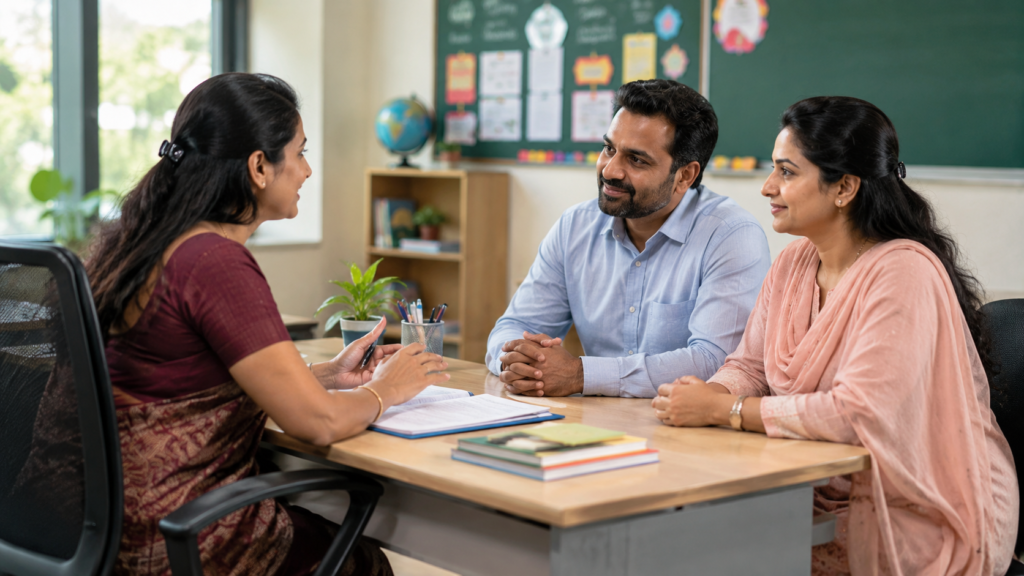
Building Strong Parent-Teacher Relationships Through Communication
Effective communication is the foundation of educational success. The phrase Parent Teacher Communication Building a Strong Partnership perfectly describes the purpose of these meetings. They are designed to create trust, transparency, and cooperation between families and schools.
The importance of the parent-teacher meeting goes beyond a single conversation. Regular interactions help build long-term relationships that benefit students throughout their educational journey. Parents gain confidence in the school’s approach, while teachers develop a deeper understanding of each student’s needs and strengths.
When communication remains open and respectful, children receive consistent messages and support from both home and school.
How Parents Can Make the Most of These Meetings
To maximize the value of a parent’s meeting, preparation is essential. Parents should review recent schoolwork, note any concerns, and think about specific questions they would like to ask.
Useful discussion topics may include:
- Academic strengths and weaknesses
- Classroom behavior and participation
- Study habits and learning strategies
- Social interactions with classmates
- Goals for future improvement
The importance of the parent-teacher meeting increases when parents actively participate rather than simply listening. Asking thoughtful questions and collaborating on solutions can lead to more effective support for students.
The Teacher’s Role in Productive Meetings
Teachers play a vital role in ensuring that discussions remain constructive and informative. During a parent-teacher meeting, educators should provide balanced feedback that highlights both achievements and areas for growth.
Specific examples help parents understand their child’s progress more clearly. Teachers should also offer practical suggestions that families can implement at home to reinforce learning and encourage positive habits.
Open communication, mutual respect, and a focus on solutions are essential for creating productive discussions that benefit students.
Importance in Early Childhood Education
The value of school-family collaboration begins at an early age. In settings such as a Play School in Faridabad, communication between educators and parents is particularly important because young children experience rapid developmental changes.
A regular parent-teacher meeting allows parents to learn about developmental milestones, classroom behavior, communication skills, and learning readiness. Teachers can also provide guidance on how families can support growth outside the classroom.
The importance of parent-teacher meetings during the early years is significant because early intervention and consistent support can positively influence future academic success.
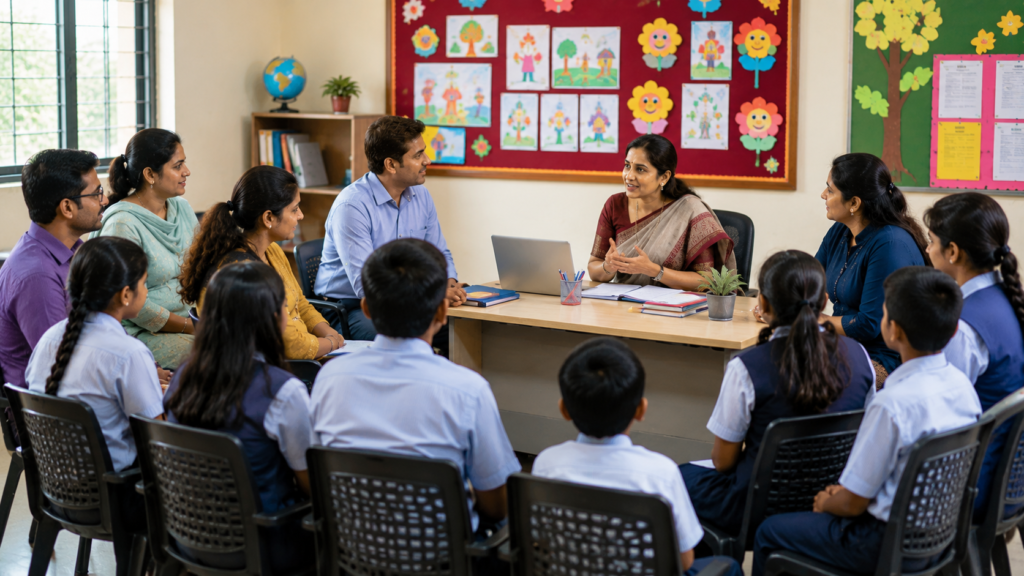
Common Challenges and Practical Solutions
Despite the benefits, some families face difficulties attending school meetings. Work commitments, scheduling conflicts, and communication barriers are among the most common challenges.
Schools can improve participation by offering flexible meeting times, virtual options, and regular updates. Likewise, parents can make an effort to prioritize attendance and maintain ongoing communication with educators.
A successful parents’ meeting should focus on collaboration rather than criticism. Similarly, every parent and teacher meeting should aim to identify practical solutions that support the student’s growth and development.
Quick Takeaways
A successful parents’ meeting can strengthen communication, improve academic performance, and support emotional well-being. Regular discussions help identify concerns early, encourage student accountability, and create stronger partnerships between families and schools. Consistent engagement from both sides contributes significantly to long-term student success.
Conclusion
The importance of the parent-teacher meeting cannot be overlooked in modern education. These meetings provide valuable opportunities for collaboration, problem-solving, and student support. Whether through a parent-teacher meeting focused on academic progress or a parent-teacher meeting addressing personal development, the goal remains the same: helping students achieve their full potential. When parents and teachers work together consistently, children benefit from a stronger foundation for learning, confidence, and future success.