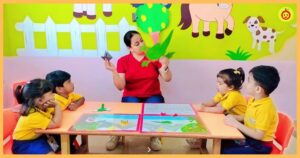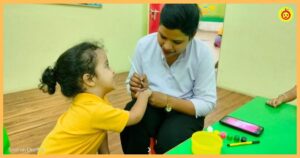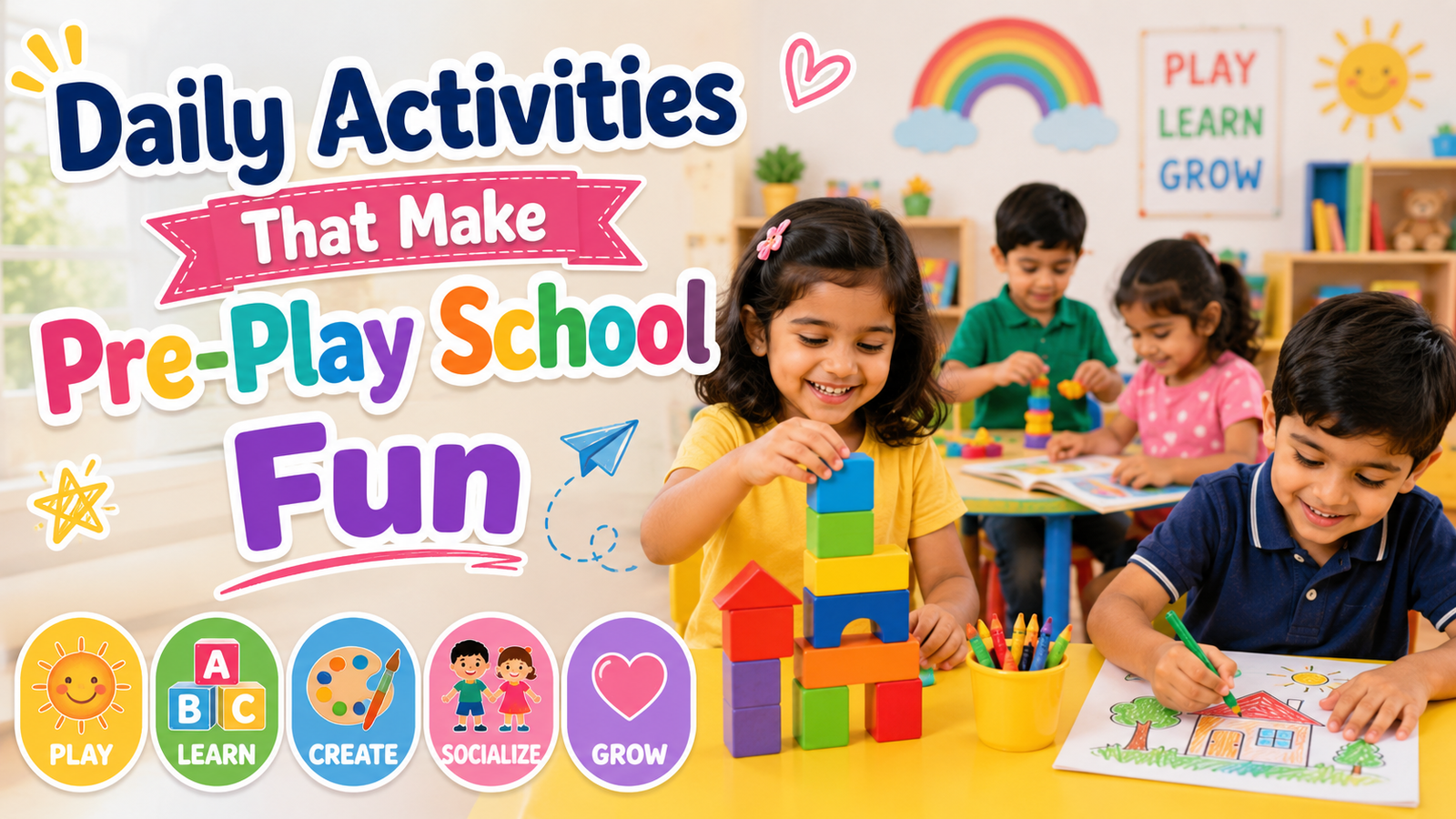
Every child learns best when curiosity, creativity, and movement come together in a positive environment. Parents often look for a preschool that goes beyond academics and creates joyful learning experiences.
The right daily routine encourages confidence, social skills, and independent thinking while making every day exciting. This is where play school fun becomes an essential part of early childhood education, helping children build lifelong learning habits through engaging experiences.
Why Daily Activities Matter in Early Childhood
Children between the ages of two and five develop rapidly. Their brains absorb new experiences through exploration, interaction, and repetition. A thoughtfully planned daily schedule supports emotional, cognitive, physical, and language development without overwhelming young learners.
When activities are balanced with structured learning and free exploration, play school fun naturally becomes a part of every child’s day. Instead of memorizing concepts, children understand them through real experiences that encourage creativity and confidence.
Brain-Boosting Activities That Help to Grow Your Child’s Mind
These 5 brain-boosting daily activities to grow your child’s mind are engaging activities that help children learn while enjoying every moment.
- Morning Circle Time: Singing songs, greeting classmates, and discussing the day’s theme improve communication and listening skills.
- Creative Art Sessions: Drawing, painting, clay modeling, and craft projects encourage imagination while strengthening fine motor skills.
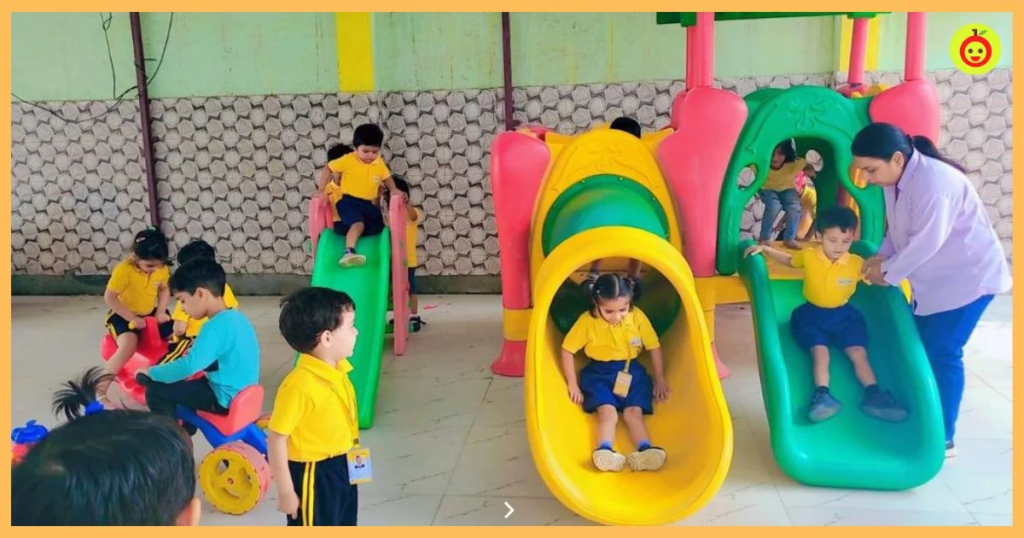
- Outdoor Play: Running, balancing, climbing, and group games improve physical coordination, teamwork, and confidence.
- Storytelling and Reading: Interactive stories build vocabulary, concentration, and a love for books from an early age.
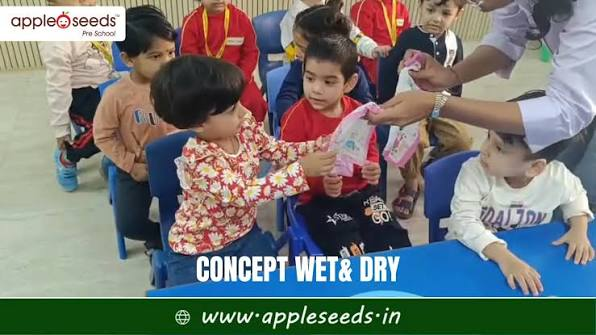
- Hands-On Learning Activities: Sorting shapes, counting objects, puzzles, and sensory bins make learning enjoyable and memorable.
These experiences transform everyday learning into play school fun, allowing children to develop naturally through exploration.
How Creative Learning Builds Essential Skills
Creative activities are much more than entertainment. They help children solve problems, express emotions, and communicate ideas effectively. Music, dance, pretend play, and role-playing games encourage independent thinking while strengthening social connections.
Teachers also observe how children interact with peers during these sessions. This helps identify individual strengths and provides opportunities to nurture confidence in a supportive environment. As children participate regularly, play school fun becomes closely linked with positive emotional growth and meaningful learning experiences.
The Role of Outdoor Exploration
Young children need movement every day. Outdoor activities support physical health while improving focus inside the classroom. Nature walks, obstacle courses, ball games, gardening, and free play encourage curiosity about the world around them.
Benefits include:
- Improved balance and coordination
- Better teamwork and communication
- Stronger problem-solving abilities
- Increased confidence through active exploration
- Reduced stress and healthier emotional development
Outdoor experiences create memorable moments that make play school fun and a meaningful part of every school day.
Creating Consistent Daily Routines
Children feel secure when they know what comes next. A predictable daily schedule helps reduce anxiety and encourages smoother transitions between activities.
An ideal preschool routine may include:
- Welcome and morning greetings
- Interactive learning sessions
- Healthy snack breaks
- Creative activities
- Outdoor play
- Storytime
- Reflection and goodbye circle
Consistency allows children to develop discipline while still enjoying play school fun through varied and engaging experiences.
How Parents Can Continue Learning at Home
Learning doesn’t stop after school hours. Parents play a significant role in reinforcing classroom experiences through simple activities at home.
Try these practical ideas:
- Read together for 15 minutes daily.
- Encourage drawing or coloring after school.
- Involve children in simple cooking activities.
- Play counting or matching games.
- Spend time outdoors exploring nature.
- Celebrate curiosity by answering everyday questions.
These habits strengthen classroom learning while extending play school fun into everyday family life.
Choosing the Right Preschool Environment
When selecting a preschool, parents should look beyond attractive classrooms. A quality learning environment includes trained educators, age-appropriate activities, safe facilities, and opportunities for holistic development.
If you’re searching for a play school in faridabad, consider visiting the campus, interacting with teachers, understanding the curriculum, and observing how children participate in daily activities. A nurturing environment where children actively explore, communicate, and create often provides the strongest foundation for lifelong learning.
Quick Takeaways for Parents
- Prioritize activity-based learning over rote memorization.
- Choose schools that balance academics with creativity.
- Encourage regular outdoor play and storytelling.
- Maintain consistent routines at home.
- Stay involved in your child’s daily learning journey.
These simple steps ensure that play school fun continues to support emotional, social, and intellectual development both inside and outside the classroom.
Final Thoughts
Early childhood is a remarkable stage of discovery, and every activity shapes a child’s future learning journey. A preschool that combines creativity, movement, storytelling, and hands-on experiences creates an environment where children genuinely enjoy learning.
When daily routines are thoughtfully designed, play school fun becomes more than entertainment—it becomes the foundation for confidence, curiosity, communication, and lifelong success.
By choosing an engaging learning environment and supporting those experiences at home, parents can help their children develop essential life skills while enjoying every step of their educational journey through play school fun.