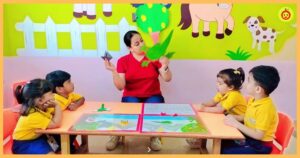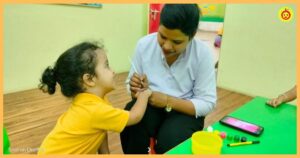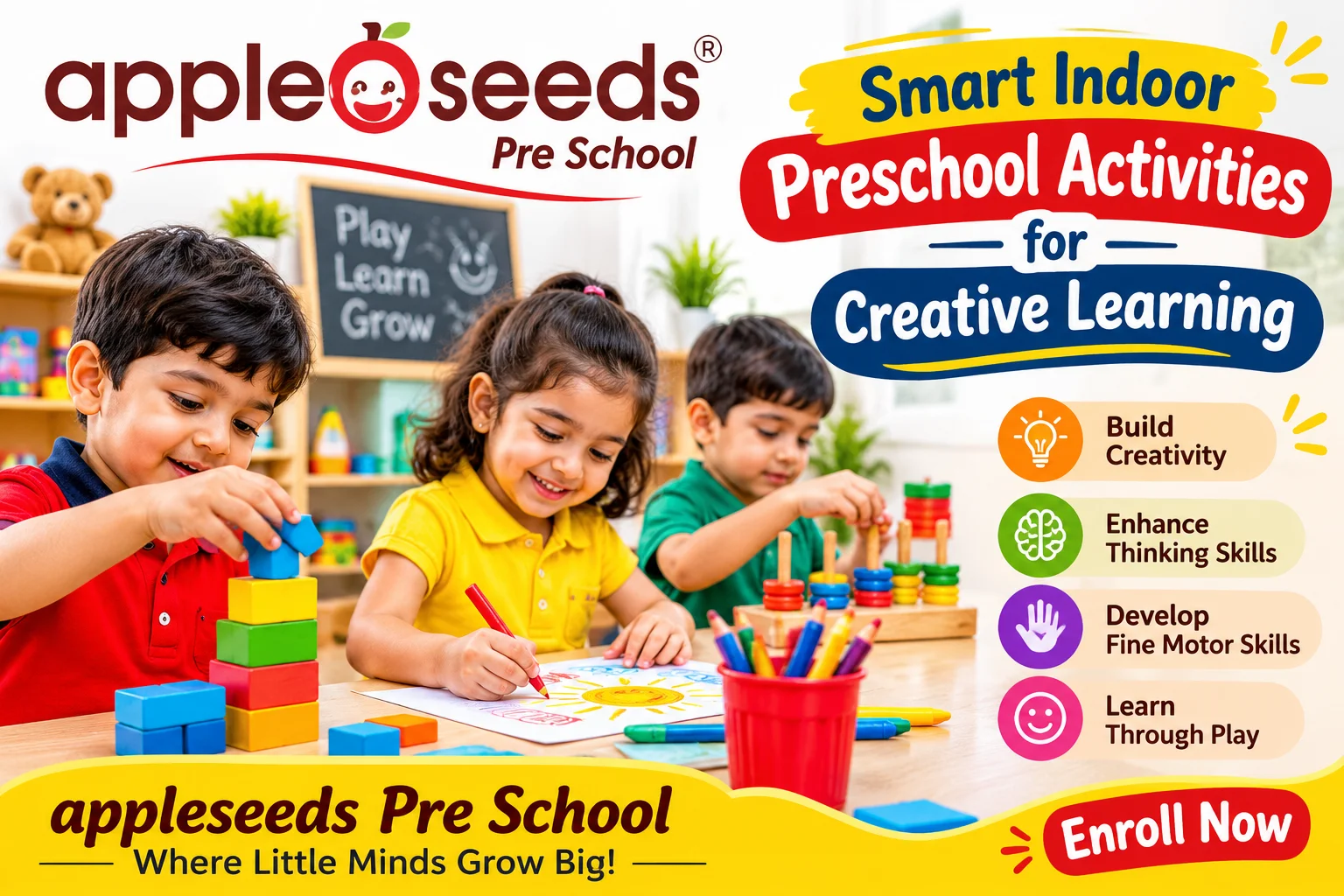
Young children learn best when everyday moments spark genuine wonder. Whether rainy afternoons or quiet weekends keep families inside, thoughtful preschool activities transform ordinary living rooms into joyful discovery spaces. Between ages three and five, developing brains absorb vocabulary, spatial patterns, and social cues through hands-on play. Early learning approaches observed at a No. 1 Ranked Nursery School in Faridabad show how giving little learners room to sort, draw, and imagine indoors nurtures curiosity without rigid academic drills.
Indoor creative play also encourages patience, emotional expression, and steady focus at a pace that honours each child. Simple routines like storytelling, shape sorting, and guided art build foundational confidence while strengthening warm bonds between caregivers and young explorers. Early childhood philosophies inspired by Apple Seeds highlight how purposeful indoor spaces balance open imagination with gentle structure. Understanding which playful methods support growing minds helps parents and educators turn daily indoor hours into meaningful creative growth.
How Indoor Preschool Activities Nurture Creative Learning
Indoor spaces offer calm, predictable environments where preschoolers feel safe experimenting with new concepts. Unlike large outdoor playgrounds centred on high-energy running, indoor settings invite slower observation, careful finger control, and expressive dialogue. When children stack blocks, trace curves, or invent puppet stories, they practice reasoning in ways that feel entirely natural.
Key Developmental Areas Supported Indoors
Thoughtful preschool activity ideas nurture several essential early childhood skills at the same time:
- Fine motor coordination: Pinching clothespins, rolling clay, and threading large pasta strengthen small finger muscles needed for early writing.
- Cognitive flexibility: Grouping objects by colour, texture, or size helps young learners recognise patterns and solve simple puzzles independently.
- Language and expression: Describing drawings or acting out short tales expands everyday vocabulary and strengthens listening habits.
- Emotional confidence: Completing small creative projects teaches patience, resilience after mistakes, and pride in personal effort.
Creative Indoor Learning Stations for Young Minds
Organising a living room or classroom into small rotating stations keeps young learners engaged without overwhelming their senses. Educators at Apple Seeds often emphasise that simple, accessible materials inspire richer imagination than crowded shelves full of noisy toys. When tools stay visible and neatly arranged, children make independent choices and stay absorbed longer.
Sensory and Artistic Exploration
Tactile art invites preschoolers to explore colours, shapes, and textures while expressing ideas visually. Sponge stamping, paper-tearing collages, and homemade dough sculpting remain timeless preschool activities because they adapt effortlessly to every skill level. Rather than asking children to copy a finished sample, caregivers can offer open materials and ask curious questions about what shapes appear on the page.
Setting Up a Calm Art Corner
- Use a low washable tray to define a clear personal workspace.
- Offer two or three supplies at once, such as thick crayons and safety scissors, to prevent clutter.
- Keep a damp cloth nearby so young artists can practice wiping tables independently after creating.
Guided Discovery Through Print Materials
Alongside messy sensory play, brief structured paper tasks give preschoolers a gentle introduction to visual focus and symbol recognition. Carefully designed preschool activity books combine dot connecting, pattern matching, simple mazes, and picture sequencing into short playful sessions. Sitting beside a child to discuss each page turns quiet desk time into interactive conversation that boosts observation and early literacy.
Balancing Guided Pages With Imaginative Play
Short print sessions work best when paired with hands-on movement. After finishing a maze or matching animal pairs inside preschool activity books, invite your child to build that animal habitat using cushions or wooden blocks. Linking printed concepts with real movement deepens memory and keeps learning playful rather than repetitive.
Practical Indoor Routines That Spark Daily Curiosity
A steady rhythm helps preschoolers transition smoothly between energetic movement and quiet focus. Blending varied preschool activities across mornings and afternoons prevents boredom while honouring natural attention spans. Caregivers do not need strict timetables; alternating one active game with one calm artistic task keeps indoor days balanced and enjoyable.
Movement and Music Games in Small Spaces
Active indoor play channels restlessness productively while strengthening balance and listening skills. Playful preschool activity ideas like freeze dancing, animal walks down a hallway, or tossing light scarves in rhythm require minimal floor space. Adding rhythmic clapping or nursery rhymes helps children link body motion with tempo, spatial awareness, and steady coordination.
Storytelling, Sorting, and Everyday Thinking Games
Ordinary household items provide endless inspiration for engaging preschool activities that nurture early maths thinking, memory, and imaginative storytelling:
- Colour scavenger hunts: Ask children to gather three soft blue items or two round kitchen objects from safe rooms.
- Sock puppet theatre: Slip plain socks onto hands and take turns inventing lighthearted dialogues about daily adventures.
- Kitchen sorting trays: Let preschoolers group dry beans, bottle caps, or measuring spoons from smallest to largest.
- Mystery touch bag: Place familiar toys inside a cloth pouch, so learners guess each object using touch alone.
Learning approaches shared by Apple Seeds remind caregivers that everyday conversation during these games matters just as much as the objects themselves.
Simple Tips for Parents and Caregivers
Following a child’s curiosity keeps indoor learning joyful and relaxed. Keep most preschool activities between ten and fifteen minutes, pausing whenever attention fades. Praise effort and curiosity rather than neat outcomes, and rotate supplies weekly so familiar items feel fresh again without cluttering living spaces.
Supporting Social and Emotional Growth Through Indoor Play
Creative indoor spaces do more than build early academic readiness; they also shape empathy, sharing, and emotional awareness. Engaging in collaborative preschool activity ideas with siblings, peers, or caregivers helps children practice waiting for turns, naming feelings, and respecting another person’s imagination. Quiet role-play corners give young learners a safe setting to act out everyday moments and build social confidence.
Encouraging Cooperative Play and Independent Thinking
- Shared storytelling: Begin a story with one sentence and let each child add the next playful twist.
- Pretend play corners: Set up a simple indoor kitchen or post office with safe props to spark imaginative dialogue.
- Calm reflection time: Ask open questions like “What part felt most fun?” to help children recognise emotions and celebrate ideas.
Conclusion
Creative learning thrives indoors whenever curiosity is met with warmth, patience, and playful variety. Purposeful preschool activities help young children explore art, language, gentle movement, and everyday problem-solving right inside familiar rooms. Whether families combine sensory stations, imaginative storytelling games, or calm print exploration, each thoughtful moment builds confidence and independent thinking. Guided by nurturing early childhood principles reflected at Apple Seeds, caregivers can build joyful daily habits that celebrate imagination and support lifelong curiosity.
FAQs about Preschool Activities
What age group benefits most from indoor creative learning?
Children between three and five years old gain the most, as this early stage rapidly develops imagination, expressive vocabulary, and fine motor coordination.
How long should a single indoor learning session last?
Short sessions lasting ten to fifteen minutes match typical preschool attention spans, keeping daily engagement enthusiastic without causing restlessness or fatigue.
Can everyday household items be used for early learning?
Yes, safe household items like measuring spoons, cardboard tubes, clothespins, and fabric scraps work wonderfully for sorting, building, and sensory discovery.
How do parents keep indoor routines fresh each week?
Rotating simple supplies weekly, pairing calm artistic work with active movement games, and following each child’s interests keep indoor routines fresh and enjoyable.
Are structured activity pages better than open imaginative play?
Neither replaces the other; combining brief guided pages with open imaginative play strengthens concentration while nurturing creativity, curiosity, and joyful self-expression.