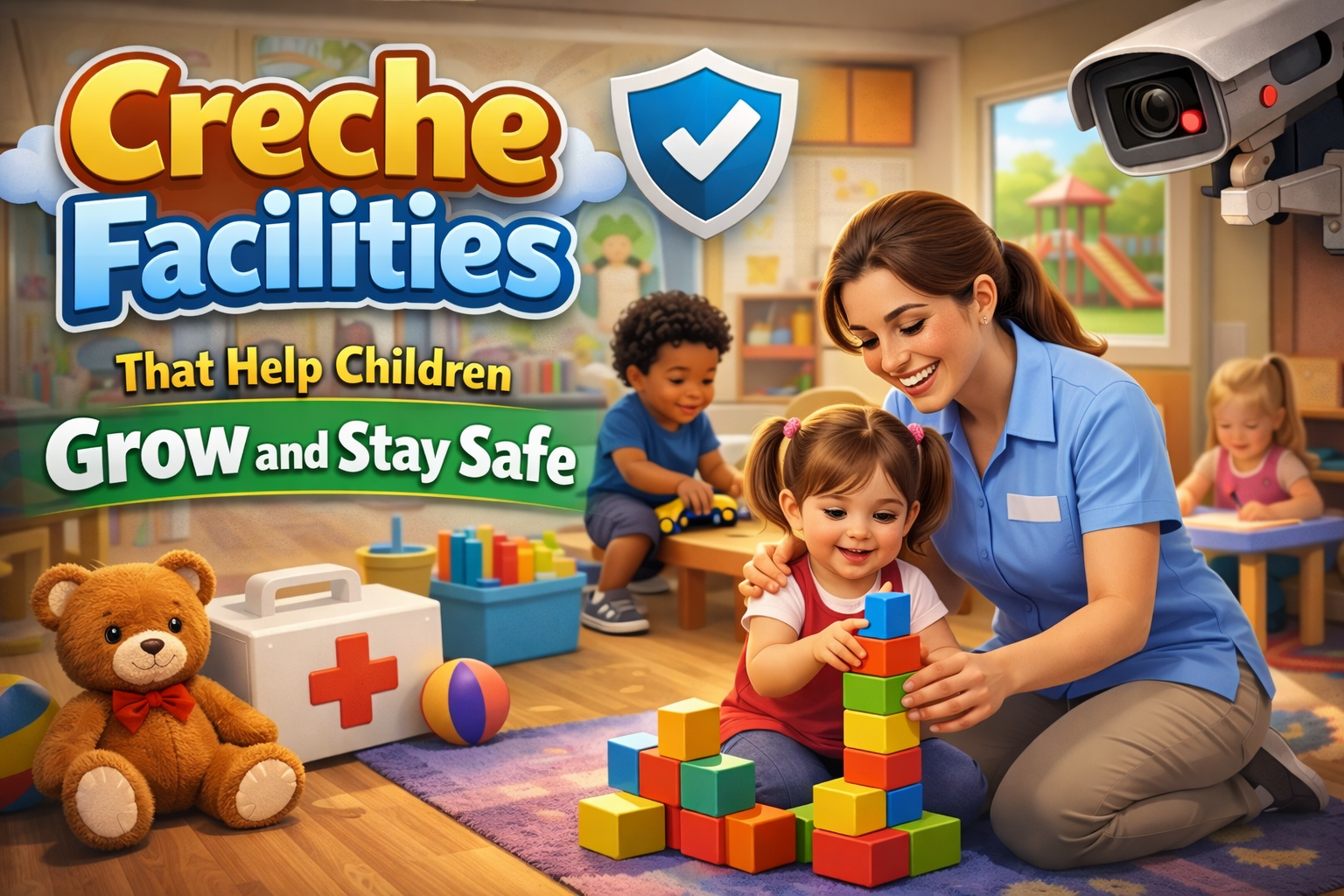
In today’s fast-paced world, many parents balance demanding work schedules with the responsibility of raising young children. As a result, creche facilities have become an essential support system for families. A well-managed creche not only provides a safe environment for children but also plays a crucial role in their emotional, social, and cognitive development. When designed thoughtfully, these childcare centers help children grow confidently while giving parents peace of mind.
This article explores how creche facilities support healthy child development, ensure safety, and provide an enriching environment for young learners.
What Is a Creche Facility?
A creche is a childcare center where trained caregivers supervise and support infants and young children during the day while their parents are at work or otherwise occupied. These facilities typically serve children from a few months old up to preschool age.
Unlike informal babysitting arrangements, professional creches operate with structured routines, trained staff, and safety guidelines that ensure children receive proper care and stimulation. Many modern creches combine childcare with early learning activities that encourage development through play, creativity, and social interaction.
Importance of Creche Facilities for Working Parents
Creche facilities have become increasingly important as more households rely on dual incomes. They provide a reliable solution for childcare while allowing parents to pursue professional commitments.
Some key benefits include:
- Peace of mind: Parents know their child is safe and supervised.
- Structured daily routines: Children follow healthy schedules that include meals, naps, and activities.
- Early socialization: Children interact with peers and develop communication skills.
- Professional care: Trained caregivers understand children’s developmental needs.
When parents trust that their child is in a nurturing environment, they can focus better on work and maintain a healthier work-life balance.
Safe and Secure Environment
Safety is the most important feature of any creche facility. Reputable childcare centers implement strict safety protocols to protect children.
Key safety measures include:
1. Secure premises
Creches should have controlled entry and exit points, CCTV surveillance, and secure gates to prevent unauthorized access.
2. Trained staff and background checks
Caregivers must undergo proper training in childcare, first aid, and emergency procedures. Background verification helps ensure a trustworthy environment.
3. Child-friendly infrastructure
Facilities should be designed to prevent accidents. This includes rounded furniture edges, non-slip flooring, covered electrical outlets, and safe play areas.
4. Hygiene and cleanliness
Clean surroundings reduce the risk of infections. Regular sanitization of toys, play areas, and eating spaces is essential.
5. Emergency preparedness
Staff should be trained to handle medical emergencies, fire drills, and evacuation procedures.
These safety practices help create a secure environment where children can explore and learn without unnecessary risks.
Supporting Early Childhood Development
A high-quality creche does more than supervise children. It actively supports their developmental milestones through age-appropriate activities.
1. Cognitive Development
Activities such as puzzles, storytelling, and creative play help stimulate curiosity and problem-solving skills. Early learning experiences encourage brain development and prepare children for future education.
2. Social Skills
Children in creche facilities interact with peers from different backgrounds. This helps them learn important social skills such as sharing, cooperation, and empathy.
3. Emotional Growth
Being away from parents can initially be challenging for young children. Caring and attentive staff help them feel secure and build emotional resilience over time.
4. Physical Development
Structured playtime, outdoor activities, and movement-based games help improve motor skills, coordination, and overall physical health.
These experiences contribute to a balanced development during the crucial early years of a child’s life.
Qualified and Caring Staff
The quality of a creche largely depends on its caregivers. Trained staff members understand child psychology, behavior patterns, and developmental stages.
Professional caregivers typically:
- Provide individual attention to each child
- Monitor emotional and physical well-being
- Encourage positive behavior
- Communicate regularly with parents
A supportive caregiver-child relationship helps children feel safe and valued, which strengthens their confidence and sense of belonging.
Structured Daily Routine
Children thrive when they follow consistent routines. Creche facilities usually organize the day into structured segments such as:
- Arrival and welcome activities
- Learning and play sessions
- Meal and snack times
- Nap or quiet time
- Creative activities such as drawing or music
- Outdoor play
This structured schedule promotes discipline, stability, and healthy habits that benefit children as they grow.
Nutrition and Health Monitoring
Proper nutrition is essential for a child’s growth and energy levels. Many creches provide balanced meals or snacks that meet children’s dietary needs.
Caregivers also monitor children for signs of illness, fatigue, or discomfort. Early attention to health concerns ensures children receive timely care and prevents the spread of infections among groups.
Some facilities also maintain medical records and emergency contact details to handle health situations efficiently.
Communication with Parents
Transparent communication between creche staff and parents is essential for building trust. Many childcare centers provide daily updates on a child’s activities, meals, mood, and learning progress.
Some facilities use mobile apps or digital platforms to share photos, reports, and notifications with parents throughout the day. This level of communication reassures parents and keeps them involved in their child’s development.
Choosing the Right Creche Facility
Parents should carefully evaluate creche options before enrolling their child. Important factors to consider include:
- Staff qualifications and child-to-caregiver ratio
- Safety measures and hygiene standards
- Learning programs and activities
- Facility cleanliness and infrastructure
- Communication policies with parents
- Reviews or recommendations from other families
Visiting the facility personally and observing how caregivers interact with children can provide valuable insights into the quality of care provided.
Conclusion
Creche facilities play a vital role in supporting modern families by providing a safe, nurturing, and stimulating environment for young children. With trained caregivers, structured routines, and development-focused activities, these centers help children grow socially, emotionally, and intellectually.
When parents choose a high-quality creche that prioritizes safety, hygiene, and early learning, children benefit from a balanced environment where they can explore, learn, and thrive. At the same time, parents gain the confidence that their child is receiving attentive care while they manage their professional responsibilities. Choosing a trusted creche in faridabad ensures that families receive dependable childcare supported by trained caregivers and a nurturing environment.