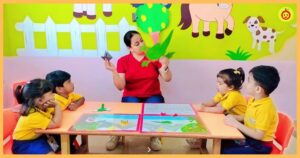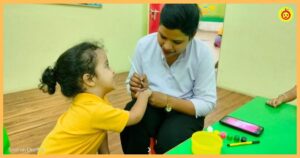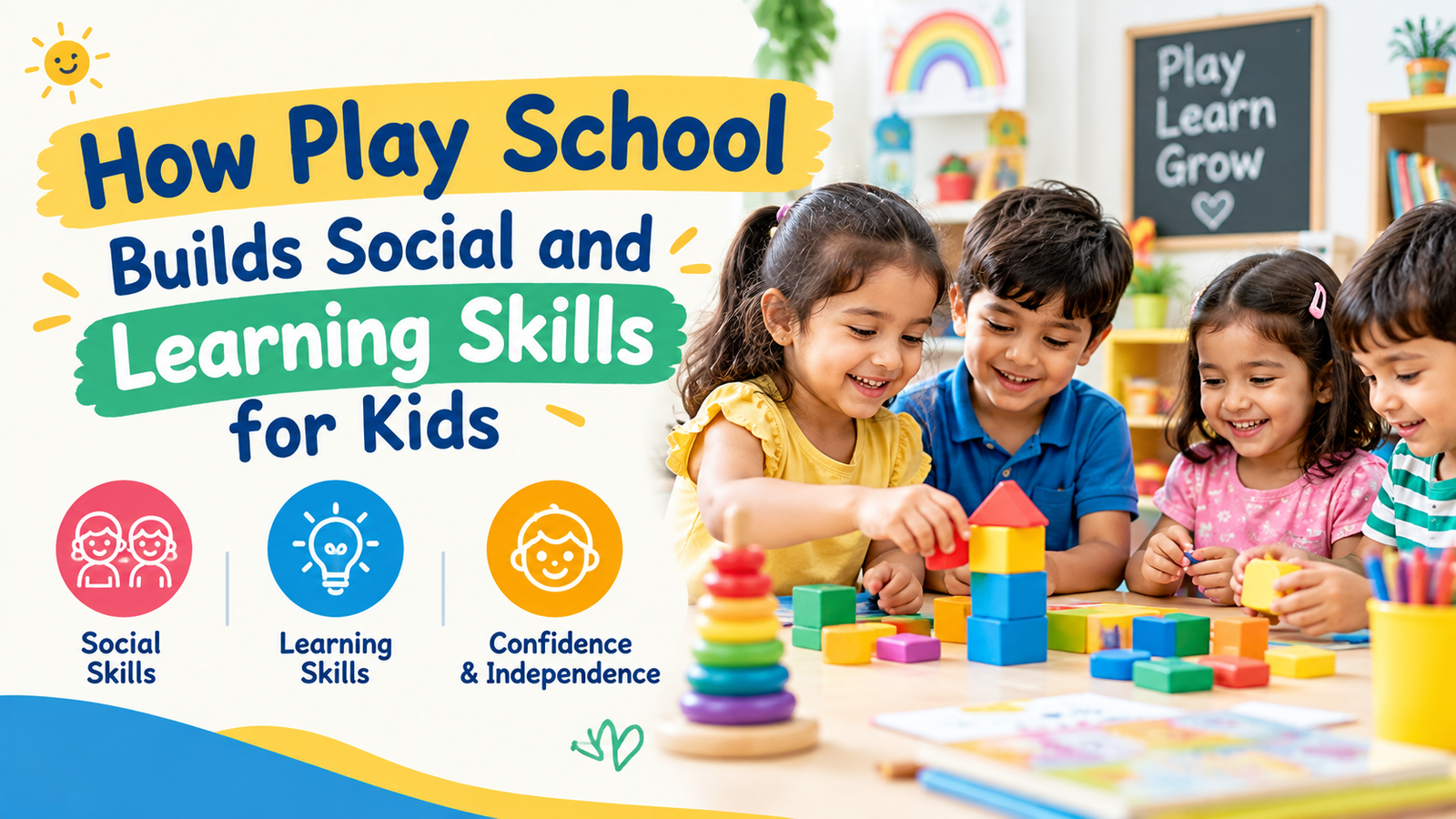
Choosing the right early learning environment can play an important role in a child’s overall development. A Play School gives young children an opportunity to learn through age-appropriate activities, interaction, exploration, and guided experiences. At this stage, children are developing communication abilities, emotional awareness, curiosity, and basic learning habits. A supportive environment can help them become more comfortable interacting with teachers and other children while gradually becoming independent. Appleseeds, known as a best play school in Faridabad, focuses on creating a child-friendly learning environment where children can explore concepts through engaging activities and everyday experiences.
A well-planned Play School environment is not limited to academic learning. It can also encourage sharing, cooperation, communication, creativity, and problem-solving. Children learn by participating in group activities, listening to instructions, expressing their thoughts, and trying new things. These experiences can contribute to Social Skills in Children and help them understand how to interact respectfully with others. At the same time, play-based activities can introduce children to numbers, letters, shapes, colours, stories, and simple concepts. This combination of social interaction and learning experiences can create a strong foundation for future education.
Read More: A Parent’s Guide To Choosing The Best Play School For Kids
Encourages Communication and Interaction
Young children need regular opportunities to communicate with people outside their immediate family. In a Play School, children interact with teachers and classmates during different activities. They may learn to express their needs, ask questions, listen to others, and participate in conversations.
Group discussions, storytelling, role-playing, and classroom games can encourage children to use language naturally. These activities also give teachers opportunities to support children who may initially feel shy or hesitant. Regular interaction can gradually improve confidence and communication abilities.
Develops Sharing and Cooperation
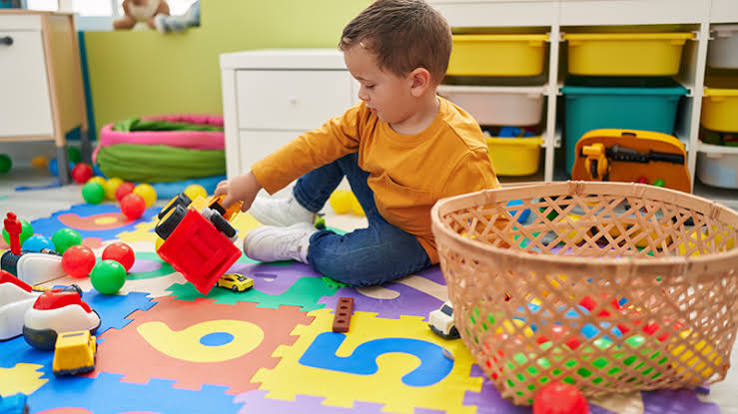
Sharing is an important social behaviour that children gradually learn through everyday experiences. During classroom activities, children may be encouraged to share toys, books, art materials, and other resources.
A Play School can introduce simple group activities where children work together toward a common goal. Such experiences can teach children about taking turns, cooperating with classmates, waiting patiently, and respecting other people’s space.
These activities contribute to Social Skills in Children by giving them practical opportunities to understand cooperation and positive behaviour.
Supports Early Learning Through Play
Children often learn more effectively when learning experiences are enjoyable and suitable for their age. A Play School can use puzzles, blocks, drawing, music, storytelling, sorting games, and creative activities to introduce basic concepts.
For example, counting objects can help children become familiar with numbers, while matching games can introduce colours, shapes, and patterns. Storytelling can support listening and vocabulary development. These activities can strengthen Early Learning Skills without making learning feel stressful or overly structured.
Builds Confidence and Independence
Early childhood is an important period for developing confidence. Children can become more independent when they are encouraged to complete simple tasks by themselves.
In a Play School, children may be given opportunities to arrange their belongings, choose an activity, clean up after play, or complete simple classroom tasks. Teachers can guide them without completing every task for them.
Small achievements can help children feel capable and encourage them to try new activities. Over time, these experiences may support decision-making, responsibility, and self-confidence.
Encourages Creativity and Problem-Solving
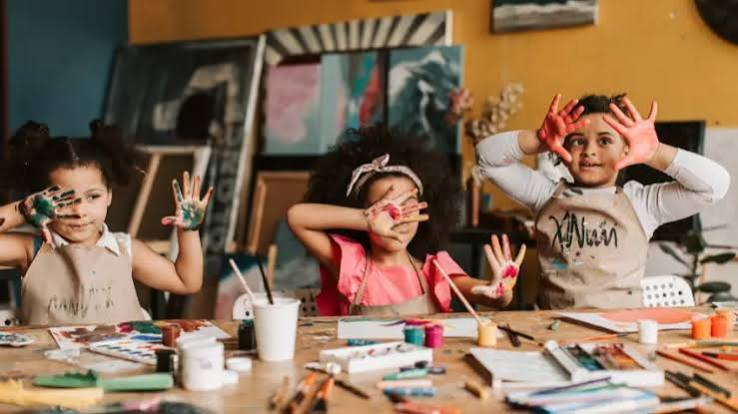
Creative activities provide children with opportunities to think differently and express themselves. Drawing, painting, building blocks, clay activities, music, and pretend play can allow children to experiment with ideas.
A Play School can provide age-appropriate challenges that encourage children to find simple solutions. For example, building blocks can involve deciding how to balance structures, while puzzles can encourage children to identify patterns and relationships.
Such activities support curiosity and encourage children to approach unfamiliar situations with interest rather than hesitation.
Develops Emotional Understanding
Children are still learning how to recognise and express emotions during their early years. A supportive classroom can help them understand feelings such as happiness, sadness, frustration, excitement, and disappointment.
Teachers can use stories, role-play, conversations, and group activities to discuss emotions in simple language. Children can gradually learn that different people may experience different feelings in similar situations.
A positive Play School environment can also teach children appropriate ways to respond when they disagree with classmates or face small challenges.
Prepares Children for Formal Schooling
Early education can help children become familiar with routines that they may experience later in formal schooling. Following instructions, sitting for short activities, listening to teachers, completing simple tasks, and participating in groups are useful classroom habits.
A Play School can introduce these routines gradually while keeping activities engaging and age-appropriate. This can help children become comfortable with the idea of attending school and participating in structured learning.
The experience can also strengthen Early Learning Skills by introducing foundational concepts through activities rather than relying only on traditional teaching methods.
Conclusion
The early years provide an important foundation for children’s social, emotional, and learning development. A carefully designed Play School can offer opportunities for communication, cooperation, creativity, independence, emotional understanding, and foundational learning. Play-based experiences allow children to explore concepts while interacting with teachers and classmates in a supportive environment.
Parents can look for a school that provides safe surroundings, caring educators, age-appropriate activities, and opportunities for both individual and group learning. Appleseeds provides a child-focused environment designed to support early development through engaging learning experiences and meaningful activities.