
Choosing the right childcare arrangement is an important decision for parents. A good daycare can provide children with a safe environment where they can learn, play, interact with others, and develop essential everyday skills. At the same time, parents want to know that their child is receiving appropriate attention, healthy routines, and opportunities for age-appropriate development. Appleseeds Play School can be considered by parents looking for a supportive environment focused on children’s early learning, care, and overall development. For families seeking child day care in Faridabad, it is important to consider safety, trained caregivers, engaging activities, cleanliness, and a child-friendly environment.
Read More: Daycare Essentials Every Working Parent Should Consider
For working parents especially, daycare for kids can offer a practical combination of childcare, learning, social interaction, and structured activities. However, every daycare is different, so parents should carefully evaluate the environment, staff, facilities, daily schedule, and safety procedures before making a decision.
What Is Daycare for Kids?
Daycare for kids refers to professional childcare services designed to care for young children while parents are working, studying, or managing other responsibilities. Depending on the facility, daycare may accommodate infants, toddlers, preschoolers, or children of different age groups.
A typical daycare may provide supervised play, meals or snacks, rest periods, creative activities, basic learning experiences, and opportunities for social interaction. The exact program depends on the child’s age and the daycare’s approach.
Parents should look for a center that provides a balanced routine rather than focusing only on academics. Young children learn effectively through play, conversation, movement, exploration, and hands-on activities.
Key Daycare Benefits for Children
One of the major daycare benefits is the opportunity for children to develop social skills. Spending time with other children can help them learn how to share, cooperate, communicate, take turns, and participate in group activities.
Daycare can also introduce children to structured routines. Regular meal times, play periods, learning activities, and rest schedules can help young children become familiar with consistency.
Other potential benefits include:
- Improved communication skills
- Opportunities for creative expression
- Development of independence
- Exposure to age-appropriate learning activities
- Regular physical activity
- Social interaction with peers
- Development of daily routines
A quality program should support the child’s overall development rather than concentrating on only one area.
Learning Through Play and Activities
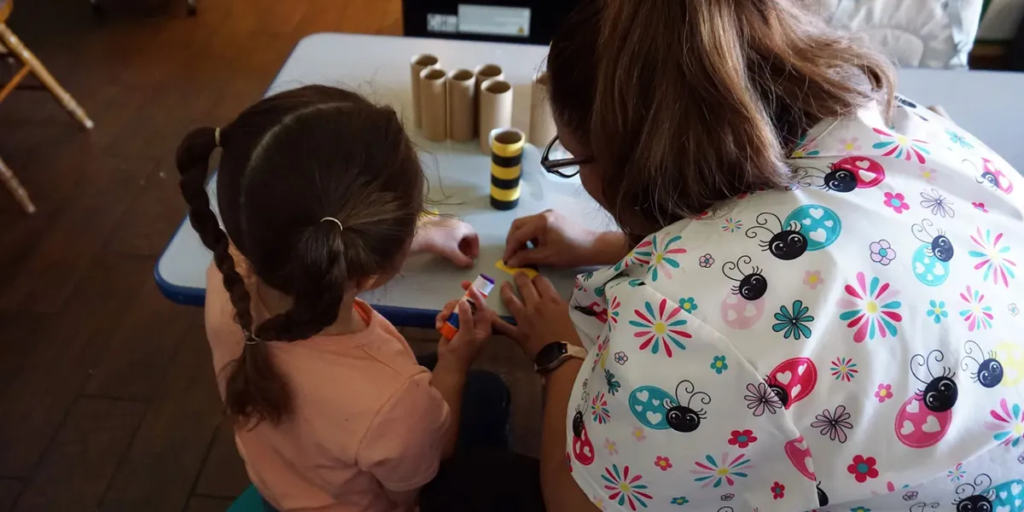
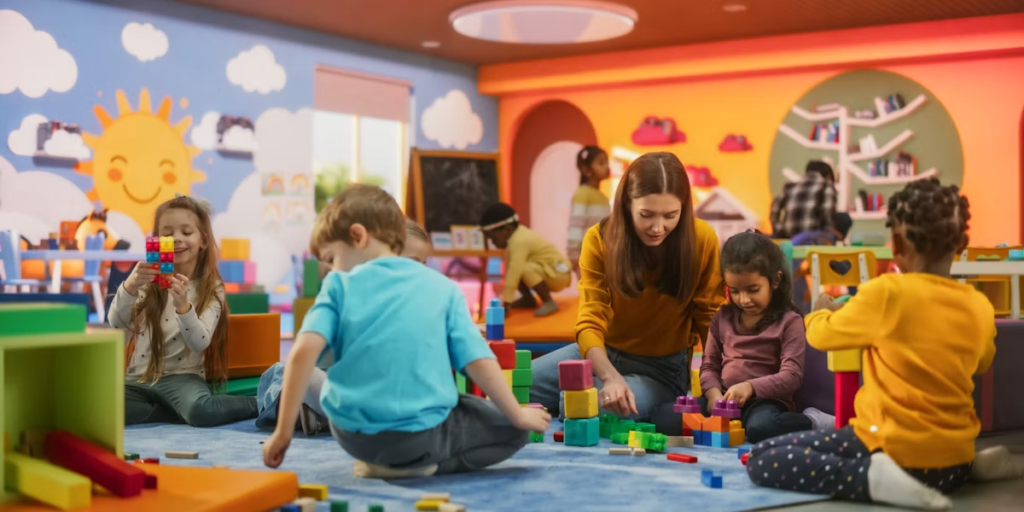
Children learn naturally through exploration and play. A well-planned daycare program can include puzzles, building blocks, storytelling, drawing, music, pretend play, outdoor activities, and simple educational games. Appleseeds Play School can provide children with opportunities to participate in engaging activities that support early learning, creativity, social interaction, and overall development.
These activities can encourage creativity, problem-solving, coordination, and communication.
For younger children, sensory activities can also be useful. Playing with safe materials, exploring different textures, listening to music, or participating in movement activities can provide valuable learning experiences.
The goal is to make learning enjoyable and appropriate for each child’s developmental stage.
Why Safety Should Be a Priority
Safety is one of the most important factors parents should consider when selecting childcare. The facility should have clean, secure, and child-friendly spaces.
Parents should observe whether doors and entrances are properly secured and whether children are supervised during indoor and outdoor activities. Play equipment should be age-appropriate and regularly maintained.
Staff should also know how to respond to common emergencies and follow clear procedures for accidents, illnesses, and child pickup.
Important Daycare Safety Tips
Following practical daycare safety tips can help parents evaluate whether a facility is suitable for their child. Parents should ask about staff-to-child ratios, emergency procedures, visitor policies, hygiene practices, and authorized pickup arrangements.
It is also important to understand how the daycare handles allergies, medication, food, and illness.
Parents can ask questions such as:
- Who supervises children during outdoor play?
- What happens during an emergency?
- How are children released to parents or authorized adults?
- How often are toys and activity areas cleaned?
- What is the procedure if a child becomes sick?
- How does the center communicate with parents?
Clear answers can help parents feel more confident about their choice.
Importance of Qualified and Caring Staff
Staff members have a major influence on a child’s daycare experience. Parents should look for caregivers who are patient, attentive, friendly, and experienced in working with children.
During a visit, observe how staff interact with children. Do they listen carefully? Do they respond calmly when a child is upset? Do they encourage children to participate without forcing them?
A positive caregiver-child relationship can help children feel comfortable and secure.
Nutrition and Healthy Routines
Depending on the daycare program, meals and snacks may be provided. Parents should ask about the food menu, nutritional standards, allergy management, and drinking-water availability.
Healthy routines should also include sufficient rest, physical activity, and opportunities for quiet time.
Parents should communicate any dietary restrictions or allergies clearly and make sure staff understand how to respond to them.
Communication Between Parents and Daycare
Good communication helps parents stay informed about their child’s daily experience. A daycare may provide updates through conversations, messages, activity reports, or digital communication systems.
Parents should feel comfortable asking questions about their child’s behavior, activities, eating habits, sleep, and social interactions.
Regular communication can also help caregivers understand a child’s personality, routines, interests, and individual needs.
Choosing the Right Daycare Environment
When comparing childcare options, parents should visit the facility whenever possible. A visit can provide useful insight into cleanliness, organization, staff interaction, classroom setup, and overall atmosphere.
Consider factors such as:
- Location and accessibility
- Operating hours
- Staff experience
- Child-to-caregiver ratio
- Learning activities
- Outdoor play facilities
- Hygiene standards
- Food and nutrition policies
- Communication methods
- Emergency procedures
Parents should also consider whether the environment feels welcoming and comfortable for their child.
Supporting Emotional and Social Development
A good daycare should support children’s emotional development as well as their physical and cognitive growth. Children need opportunities to express feelings, build relationships, solve small conflicts, and develop confidence.
Caregivers can support these skills by encouraging children to communicate, helping them understand emotions, and providing positive guidance.
Parents can reinforce these lessons at home through conversations, reading, play, and simple household responsibilities.
More Daycare Safety Tips for Parents
Parents should continue discussing daycare safety tips with caregivers as their child grows. Safety requirements can change as children become more mobile and independent.
Ask about age-appropriate toys, playground supervision, sleeping arrangements, hygiene practices, and emergency preparedness.
Parents should also keep the daycare updated about changes in emergency contacts, medical information, authorized pickup persons, and other important details.
Preparing Your Child for Daycare
Starting daycare can be a significant change for a young child. Parents can make the transition easier by gradually introducing a predictable routine.
Talking positively about daycare, visiting the facility beforehand, and explaining what will happen can help reduce uncertainty.
Children may initially experience separation anxiety. Consistent drop-off routines and supportive communication can help them become more comfortable over time.
Conclusion
Choosing daycare for kids requires careful consideration of safety, learning opportunities, staff quality, communication, and the child’s individual needs. A supportive environment can help children develop social skills, independence, confidence, and age-appropriate learning abilities. Parents looking for quality early education can also explore options for the best play school in Faridabad and compare factors such as safety, curriculum, facilities, staff, and location before making a decision.
Parents should visit potential centers, ask detailed questions, observe staff interactions, and review safety procedures before enrolling their child. By selecting a caring and well-organized environment, families can create a positive daycare experience that supports children’s early growth and development.