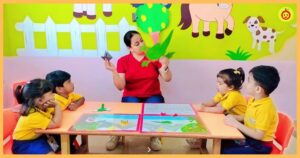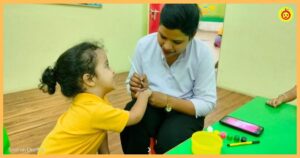
Choosing the right early education environment is an important decision for parents. Kindergarten provides children with an opportunity to learn, explore, communicate, and develop essential skills before entering higher classes. Appleseeds Play School focuses on creating a supportive learning environment where children can build confidence while enjoying age-appropriate educational experiences. For parents looking for the best play school in Faridabad, choosing a school that offers a safe, engaging, and child-friendly learning environment can support their child’s early development.
Read More: Kindergarten Guide For Parents: Admission, Education & Growth
What Is Kindergarten for Kids?
Kindergarten for kids is an early education stage designed to prepare young children for formal schooling. At this stage, children learn through a combination of classroom activities, play, storytelling, creative work, and social interaction. The goal is not simply to teach academic subjects but also to help children become comfortable with routines, communication, and independent learning.
Children in kindergarten are usually introduced to basic concepts such as letters, numbers, shapes, colors, sounds, and simple words. Teachers also encourage children to ask questions, share ideas, follow instructions, and work with classmates.
Kindergarten Learning Benefits for Children
There are several kindergarten learning benefits that can support a child’s overall development. One of the most important benefits is improved social interaction. Children learn how to communicate with classmates, share materials, wait for their turn, and participate in group activities.
Kindergarten can also support emotional development. Children gradually become more confident when they are encouraged to complete simple tasks independently. Positive feedback from teachers can help them develop a healthy attitude toward learning.
Another important benefit is school readiness. Children become familiar with classroom routines, listening to instructions, completing assignments, and maintaining attention during learning sessions. These experiences can make the transition to primary school smoother.
Important Skills Children Develop
Kindergarten for kids provides opportunities to develop several skills that are useful both inside and outside the classroom. Communication is one of the most important skills. Children learn to express their thoughts, listen to others, and participate in conversations.
Fine motor skills are also developed through drawing, coloring, writing practice, cutting, and craft work. Gross motor skills can improve through outdoor games, movement activities, dancing, and physical play.
Problem-solving is another valuable skill. Simple puzzles, matching games, building blocks, and classroom challenges encourage children to think and find solutions. These activities can make learning more engaging while developing early reasoning abilities.
Kindergarten Activities That Make Learning Fun
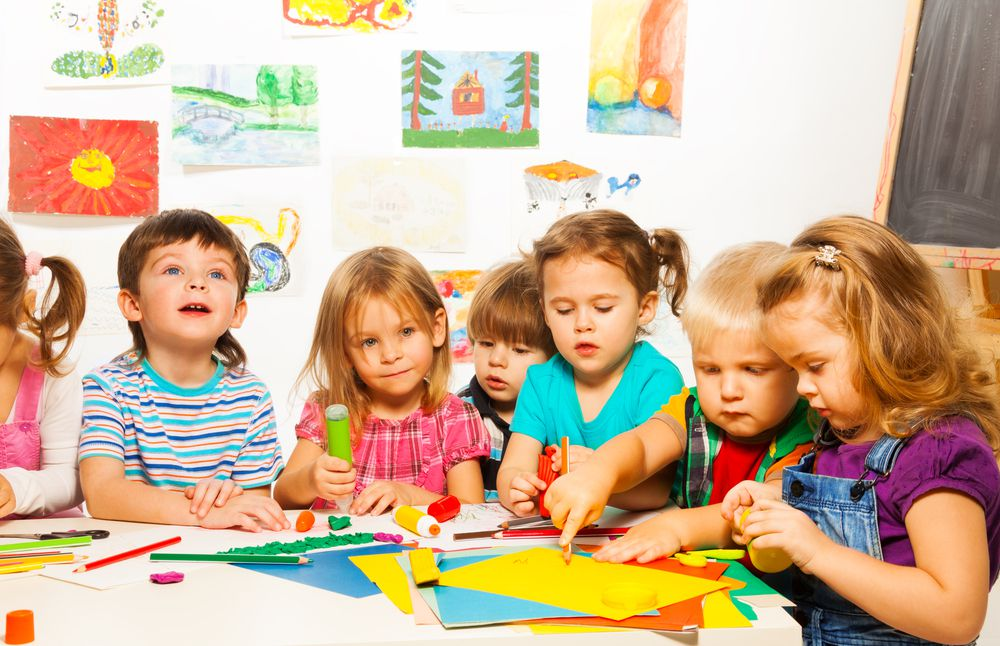
Well-planned kindergarten activities can make education enjoyable and meaningful. Storytelling is a popular activity because it helps children improve listening skills, vocabulary, imagination, and comprehension. Teachers can also use songs and rhymes to introduce letters, numbers, sounds, and everyday concepts.
Art and craft activities allow children to express their creativity. Drawing, painting, paper crafts, and clay work can also support hand coordination and concentration.
Outdoor play is equally important. Simple games can encourage children to move, cooperate with others, and understand basic rules. Role-play activities are another effective way to help children develop communication and social skills.
Building Confidence Through Learning
One of the major goals of kindergarten for kids is to create a positive attitude toward education. Young children learn best when they feel comfortable and encouraged. Teachers can provide opportunities for children to answer questions, participate in group tasks, and present their ideas.
Children should also be allowed to learn at an appropriate pace. Comparing one child with another can create unnecessary pressure. Instead, teachers and parents can focus on individual progress and celebrate small achievements.
How Parents Can Support Kindergarten Learning
Parents play an important role in extending learning beyond the classroom. Reading stories together, talking about daily experiences, practicing letters and numbers, and encouraging creative play can support early development.
Parents can also establish simple routines for sleeping, eating, playing, and learning. A consistent routine helps children understand expectations and become more independent.
It is also useful for parents to communicate regularly with teachers. Understanding a child’s progress, interests, strengths, and areas for improvement can help parents provide better support at home.
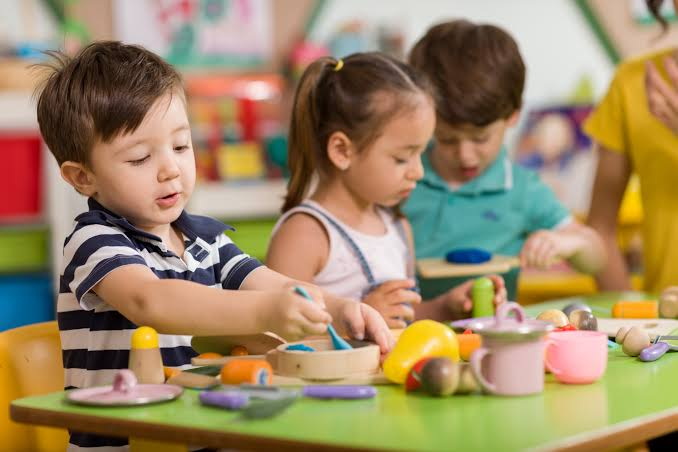
Choosing the Right Kindergarten
When selecting kindergarten for kids, parents should consider several factors. A safe and welcoming environment should be a priority. Parents can also look at teacher experience, classroom practices, student-teacher interaction, learning resources, hygiene, and opportunities for outdoor play.
The teaching approach is equally important. A good kindergarten should balance academic learning with creative activities, social development, physical movement, and emotional support.
Kindergarten learning benefits are greatest when children receive opportunities to learn through both structured lessons and practical experiences. A balanced approach can help children develop skills without making early education unnecessarily stressful.
Encouraging Creativity and Independence
Creative learning gives children the freedom to explore their interests. Kindergarten activities such as music, storytelling, painting, puzzles, building games, and role play can encourage imagination and independent thinking.
Children can also be given small responsibilities, such as organizing their belongings, putting away toys, or helping with simple classroom tasks. These experiences teach responsibility and encourage independence.
Appleseeds Play School can be considered by parents looking for an early learning environment where children can experience educational activities along with opportunities for social and creative development.
Conclusion
Kindergarten is an important stage in a child’s early educational journey. Kindergarten for kids can help develop communication, creativity, confidence, motor skills, problem-solving abilities, and school readiness. Appleseeds Play School provides children with opportunities to learn through engaging activities, supportive guidance, and age-appropriate experiences. With supportive teachers, engaging lessons, and active parental involvement, children can develop a positive foundation for their future education.
The best learning environment is one where children feel safe, encouraged, and excited to discover something new every day. By choosing a balanced kindergarten program, parents can help their children build essential skills while enjoying the learning process.