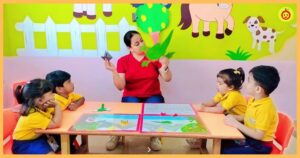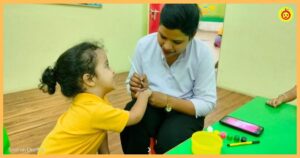
The early years of a child’s life are an important period for learning, exploration, and emotional growth. A positive learning environment can help children develop confidence, communication skills, curiosity, and healthy social habits. Appleseeds focuses on creating engaging experiences where young learners can explore new ideas while learning through play and everyday activities. Recognized as a best play school in Faridabad, Appleseeds provides a nurturing environment where children can learn through meaningful experiences. Preschool education introduces children to essential concepts in a simple and enjoyable way, helping them become comfortable with routines, classroom interactions, and group learning. At this age, children learn best when they can participate, ask questions, experiment, and express themselves freely.
A well-planned program also supports early childhood learning by encouraging language development, creativity, problem-solving, and independence. With the right guidance, children can build important skills that prepare them for primary school while enjoying the process of discovering the world around them.
Read More: 8 Essential Basic Education Tips For Strong Preschool Learning
Why Preschool Education Matters
Preschool education provides children with their first structured learning experience outside the home. It helps them understand simple classroom routines, follow instructions, share materials, and interact positively with other children. These experiences build a foundation that can make the transition to formal schooling easier.
At this stage, learning should not be limited to books or memorization. Children should be encouraged to learn through stories, games, music, art, movement, and conversations. Such experiences make lessons more interesting and allow children to understand ideas naturally.
Encouraging Early Childhood Learning
Early childhood learning focuses on the overall development of young children rather than academic performance alone. Children need opportunities to improve their vocabulary, listening skills, coordination, imagination, and social awareness.
Teachers can support this development through storytelling sessions, rhymes, picture-based discussions, interactive games, and hands-on activities. These experiences help children communicate their thoughts and become more comfortable expressing themselves.
Developing Social and Emotional Skills
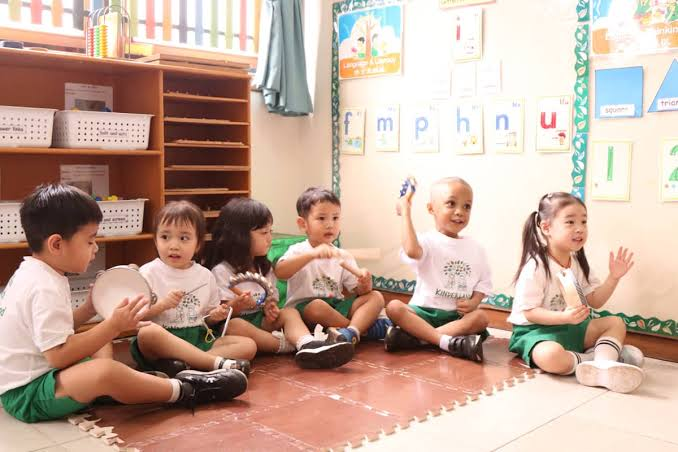
One of the important benefits of preschool education is the opportunity for children to develop social and emotional skills. In a classroom setting, children learn how to wait for their turn, cooperate with classmates, manage small disagreements, and participate in group activities.
Teachers can encourage kindness, patience, respect, and empathy through role-play and cooperative games. These skills help children build healthy relationships and become more confident in different social situations.
The Role of Child Development Activities
Well-designed child development activities can make learning enjoyable while supporting different areas of growth. Drawing, puzzles, building blocks, sorting games, dance, music, and sensory play can help children strengthen their creativity, coordination, memory, and problem-solving abilities.
These activities can also help teachers understand each child’s interests and learning style. When children receive opportunities to explore different types of activities, they can discover their strengths and develop greater confidence.
Building Communication and Language Skills
Language development is an important part of the preschool years. Children should have regular opportunities to talk, listen, ask questions, and describe their experiences.
Teachers can use picture books, storytelling, songs, conversations, and simple classroom discussions to encourage communication. Preschool education creates a supportive environment where children can gradually improve their vocabulary and learn how to communicate clearly.
Learning Through Play
Play is one of the most effective ways young children learn. It allows them to experiment, make choices, solve simple problems, and understand how things work. Educational games can also introduce basic concepts such as numbers, colors, shapes, patterns, and letters.
Instead of making children feel pressured to learn, teachers can turn lessons into enjoyable experiences. This approach helps children remain interested and encourages a positive attitude toward learning.
Supporting Creativity and Independence
Creative activities give children the freedom to express their ideas. Painting, drawing, crafts, music, and imaginative play can encourage children to think creatively and develop their own ways of solving problems.
Child development activities can also promote independence. Simple tasks such as organizing toys, choosing an activity, carrying classroom materials, or completing a small project can teach children responsibility and self-confidence.
Preparing Children for Primary School
A strong preschool program helps children develop habits that support future academic success. Preschool education can introduce children to classroom routines, basic learning concepts, listening skills, and social expectations in an age-appropriate way.
Children who become familiar with routines and group learning may feel more comfortable when they enter primary school. The goal is not to rush academic learning but to prepare children emotionally, socially, and mentally for their next stage.
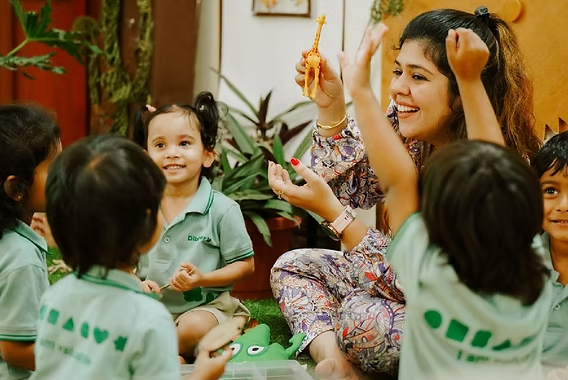
Creating a Positive Learning Environment
A supportive classroom should be safe, welcoming, and encouraging. Children should feel comfortable asking questions, making mistakes, and trying something new.
Teachers and parents can work together to reinforce positive habits at home and school. Regular communication can help adults understand a child’s progress and provide consistent support.
Conclusion
A strong foundation in the early years can influence how children approach learning in the future. Preschool education supports academic readiness while also encouraging communication, confidence, creativity, independence, and social development. Through meaningful experiences and age-appropriate early childhood learning, children can discover new interests and build skills in a natural way. Engaging child development activities make this process enjoyable while supporting their physical, emotional, cognitive, and social growth. Appleseeds provides a nurturing environment where children can learn through exploration, interaction, and play, helping them take their first steps toward a confident and successful educational journey.