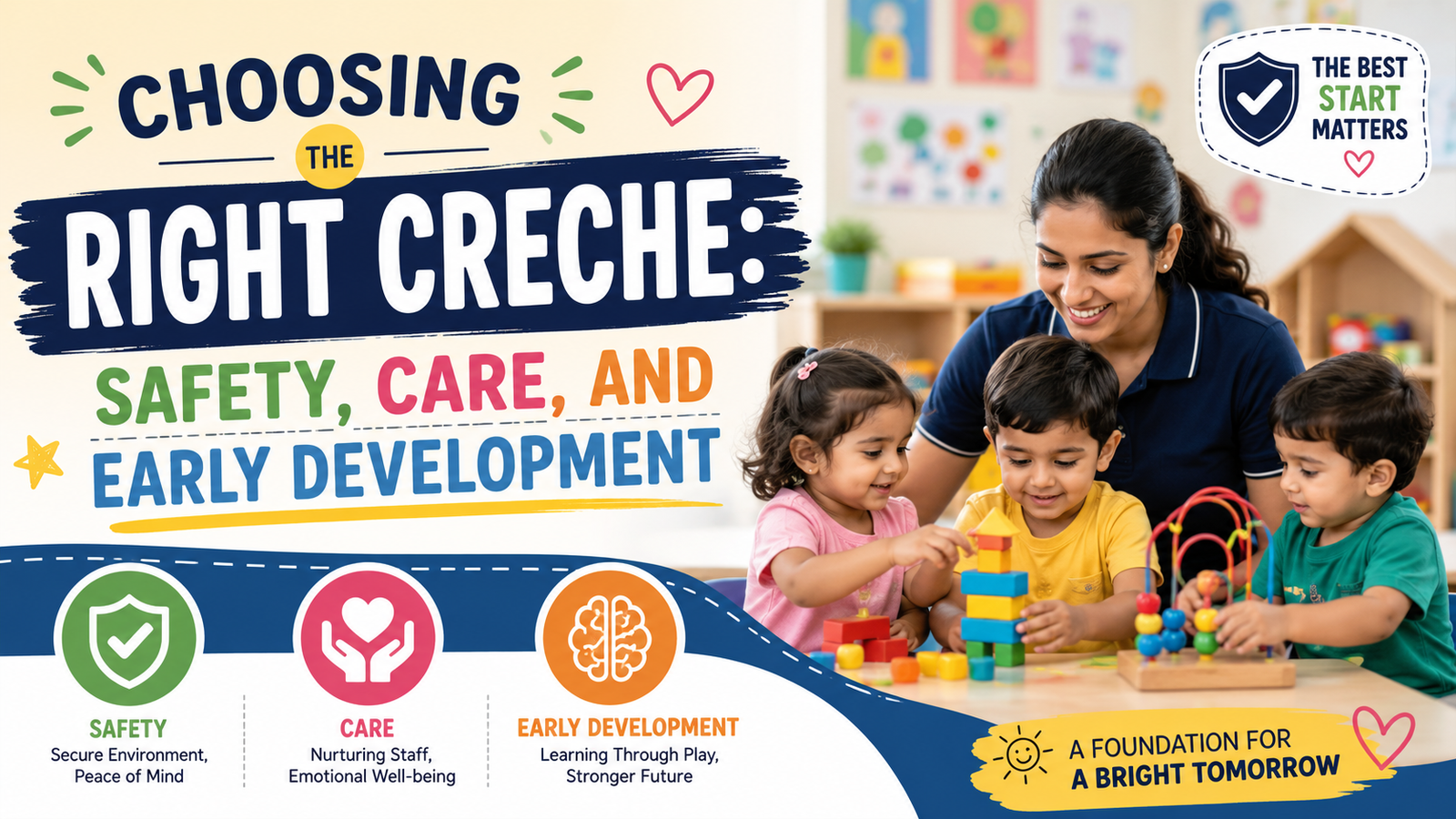
For working parents, finding a nurturing environment for their child is one of the most important decisions they will make. When it comes to choosing the right crèche, families need to look beyond convenience and focus on factors that support a child’s safety, emotional well-being, and overall development. A high-quality crèche provides more than supervision—it creates a foundation for learning, social interaction, and confidence during the early years.
Why Choosing the Right Creche Matters
The process of choosing the right crèche can significantly influence a child’s daily experiences and growth. Children spend several hours each day in these environments, making it essential to select a center that promotes positive interactions, structured routines, and age-appropriate activities.
A well-managed crèche helps children develop independence, communication skills, and healthy social habits. It also gives parents peace of mind, knowing their child is cared for by trained professionals in a secure setting. As more families balance professional and personal responsibilities, the demand for quality childcare services continues to grow.
Safety Standards and Choosing the Right Creche
Safety should always be a top priority when choosing the right crèche. Parents should assess the physical environment, staff qualifications, emergency procedures, and hygiene practices before making a decision.
Look for features such as secure entry systems, childproof furniture, clean play areas, and proper staff-to-child ratios. It is equally important to verify that caregivers are trained in first aid and emergency response. Regular sanitization, health monitoring, and transparent communication policies further demonstrate a center’s commitment to child safety.
Many parents also benefit from visiting the facility during operating hours. Observing caregiver interactions and daily routines provides valuable insight into how children are treated and supported throughout the day.
Evaluating Care Quality and Staff Expertise
The quality of care plays a crucial role in a child’s happiness and development. Experienced caregivers understand the emotional and developmental needs of young children and can create a supportive environment that encourages exploration and learning.
Parents should ask about staff qualifications, training programs, and caregiver retention rates. Consistency in staffing helps children build trust and emotional security. Open communication between caregivers and parents also strengthens the childcare experience by ensuring that concerns, milestones, and daily updates are shared regularly.
If you are searching for a crèche in faridabad, consider reviewing parent testimonials, visiting multiple facilities, and comparing their educational and safety standards before making a final decision.
Early Development and Choosing the Right Creche
One of the most important aspects of choosing the right crèche is understanding how the center supports early childhood development. The best creches combine structured learning opportunities with play-based activities that stimulate cognitive, emotional, and physical growth.
Children learn through exploration, creativity, and interaction. Activities such as storytelling, music, art, puzzles, and group play help strengthen language skills, problem-solving abilities, and social confidence. These experiences prepare children for future educational environments while making learning enjoyable and engaging.
Research consistently highlights the benefits of crèche for children’s learning, especially when programs are designed to encourage curiosity, communication, and age-appropriate skill development.
What Facilities Should Parents Look For?
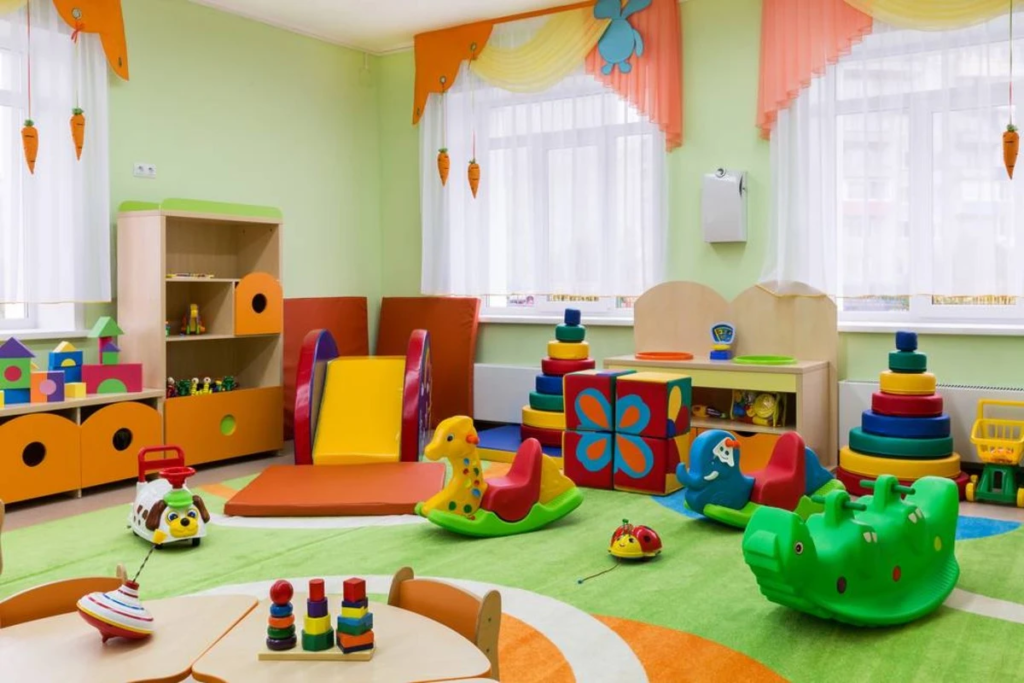
When evaluating childcare options, parents should pay close attention to the environment and resources available to children. Modern childcare centers often offer dedicated learning spaces, outdoor play zones, rest areas, and engaging educational materials.
The best crèche facilities that help children grow and stay safe are those that balance security with opportunities for exploration and development. Clean classrooms, interactive learning tools, comfortable sleeping arrangements, and supervised play areas all contribute to a positive childcare experience.
Parents should also inquire about nutrition policies, daily schedules, and developmental activities. A transparent approach demonstrates professionalism and a genuine commitment to child well-being.
Practical Tips for Parents
Before enrolling your child, take time to conduct thorough research. Visit shortlisted centers, speak with caregivers, and ask detailed questions about policies and procedures. Observing how staff interact with children can reveal a great deal about the quality of care provided.
It is also helpful to review licensing requirements, health protocols, and parent feedback. Choosing a childcare center should never be based solely on location or cost. Instead, focus on long-term value, safety standards, and developmental support.
Quick Takeaway
- Visit the facility in person before enrolling.
- Check caregiver qualifications and experience.
- Evaluate cleanliness and safety measures.
- Review learning activities and daily routines.
- Seek parent reviews and recommendations.
- Ensure open communication between staff and families.
Early Learning Success Starts with the Right Choice
For parents, choosing the right crèche involves balancing safety, care quality, and developmental opportunities. A thoughtful selection process can help create a positive environment where children feel secure, supported, and encouraged to learn. By focusing on qualified caregivers, strong safety standards, and enriching activities, families can make informed decisions that benefit their child’s growth and future success.
Ultimately, choosing the right crèche is about finding a trusted partner in your child’s early years. With careful research and attention to quality indicators, parents can ensure their children receive the nurturing care and educational foundation they deserve.