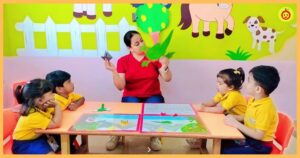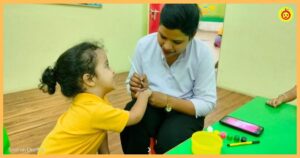
Choosing the right learning environment is an important decision for parents because the kindergarten years help children develop the foundation for future academic and social experiences. Kindergarten education introduces children to structured learning while allowing them to explore, communicate, create, and develop independence through age-appropriate activities. At Appleseeds, children can experience a supportive environment where learning is encouraged through engaging experiences and meaningful interactions. Parents looking for a best play school in Faridabad should consider factors such as teaching methods, classroom environment, safety, activities, and opportunities for overall child development. Kindergarten is not only about learning letters and numbers; it also supports communication, confidence, problem-solving, creativity, and social development. A well-planned learning environment can help children become comfortable with routines and gradually prepare them for the next stage of schooling.
Understanding what children learn during these years can help parents make informed choices about their child’s education. Kindergarten education should balance academic concepts with play, movement, creativity, and opportunities to interact with others. Parents can look at teaching methods, classroom activities, teacher-child interaction, safety, routines, and opportunities for individual development when considering a kindergarten program. Knowing these factors can make the transition to school more comfortable for both children and families.
Read More: Kindergarten For Kids: Learning Benefits, Skills And Activities
What Is Kindergarten Education?
Kindergarten education is an early stage of formal learning designed to help young children develop foundational academic, social, emotional, and practical skills. Instead of focusing only on textbooks, kindergarten learning often combines guided activities with play-based experiences.
Key Areas of Learning
Children may begin developing skills such as:
- Recognizing letters and sounds
- Counting and understanding basic numbers
- Developing vocabulary and communication
- Practicing drawing, writing, and fine motor skills
- Following simple instructions
- Sharing and cooperating with classmates
- Expressing emotions appropriately
- Developing independence in everyday tasks
These skills can create a foundation for more advanced learning in primary school.
Why Kindergarten Education Is Important
Kindergarten education can help children become familiar with structured routines while still providing opportunities for exploration and creativity. Children learn how to participate in group activities, listen to instructions, complete simple tasks, and communicate their ideas.
Building Confidence
Children gradually become more confident when they are encouraged to participate, ask questions, make choices, and try new activities. Positive encouragement from teachers and parents can help children develop a healthy attitude toward learning.
Developing Social Skills
Interacting with classmates gives children opportunities to practice sharing, cooperation, patience, and communication. These experiences can help them understand how to behave in group settings and build positive relationships.
Understanding the Kindergarten Curriculum
A suitable kindergarten curriculum generally introduces foundational concepts through activities appropriate for the child’s age and developmental stage. The curriculum may include language development, mathematics, environmental awareness, art, music, physical activities, and social-emotional learning.
Learning Through Activities
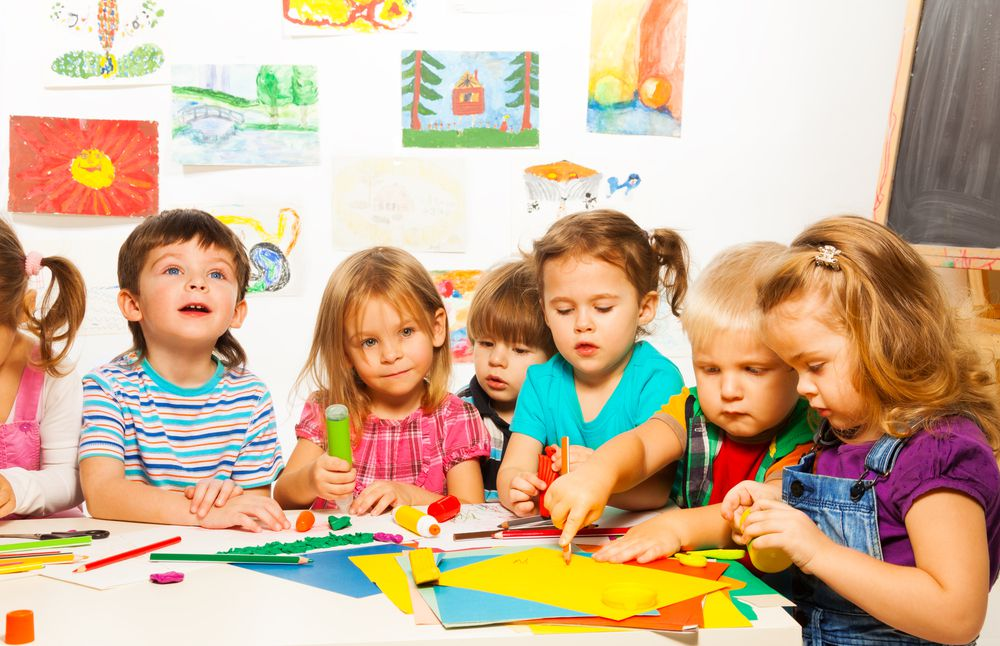
Children often understand concepts more effectively when they can participate actively. Storytelling, puzzles, songs, drawing, sorting games, role play, and hands-on activities can make learning enjoyable while reinforcing important concepts.
Parents should consider whether a school’s kindergarten curriculum provides a healthy balance between guided learning and opportunities for children to explore independently.
The Role of Play in Learning
Play is an important part of a child’s development. Educational games can help children develop problem-solving abilities, coordination, imagination, and communication skills without making learning feel stressful.
Structured and Free Play
Both structured and free-play opportunities can have value. Structured activities introduce specific concepts, while free play allows children to make choices, experiment, and interact naturally with others.
A balanced approach can make kindergarten education engaging while supporting different areas of development.
Academic Skills Children May Develop
Kindergarten introduces children to foundational academic concepts that they will continue developing throughout their school years.
Language and Literacy
Children may learn letter recognition, phonics, basic vocabulary, listening skills, storytelling, and early writing. Reading stories regularly at home can further support language development.
Early Mathematics
Basic mathematical concepts can be introduced through counting, shapes, patterns, comparisons, measurements, and simple problem-solving activities. Everyday experiences such as sorting toys or counting objects can reinforce these concepts.
Social and Emotional Development
Kindergarten education also focuses on skills that are not measured through traditional academic activities. Children learn to identify emotions, communicate their needs, manage small frustrations, and interact respectfully with others.
Teachers can encourage children to work together, take turns, listen to classmates, and resolve minor disagreements with guidance. These experiences can support emotional maturity and classroom readiness.
How Parents Can Support Learning at Home
Parents play an important role in reinforcing what children experience at school. Simple activities at home can make learning enjoyable without creating unnecessary academic pressure.
Create a Reading Routine
Reading picture books together can improve vocabulary, listening, comprehension, and imagination. Encourage children to talk about characters, pictures, and events in the story.
Encourage Independence
Allow children to complete age-appropriate tasks such as organizing toys, choosing clothes, packing simple belongings, or helping with basic household activities. These responsibilities can develop confidence and practical skills.
Make Learning Fun
Counting objects, identifying letters on signs, drawing pictures, singing songs, and playing educational games can turn everyday moments into learning opportunities.
What Parents Should Look for in a Kindergarten
When choosing a program, parents should consider the overall learning environment rather than focusing only on academic activities. A good environment should provide age-appropriate learning opportunities, supportive teachers, safe spaces, and opportunities for social interaction.
Parents can also ask about classroom routines, teacher qualifications, activity schedules, communication with families, safety practices, and how children’s individual needs are supported.
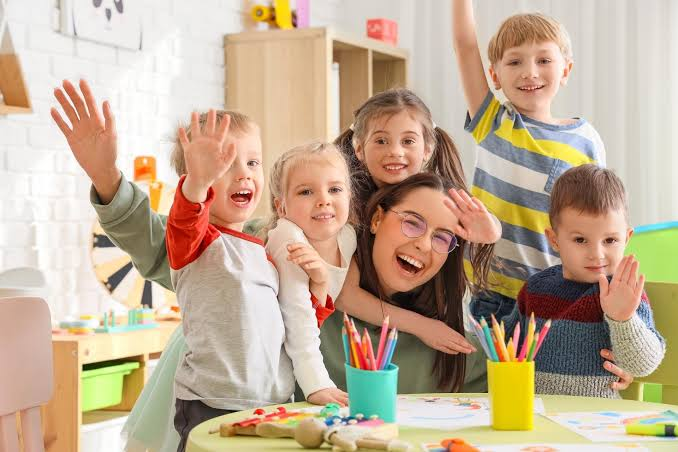
Preparing Your Child for Kindergarten
Starting school can be a significant change for a young child. Parents can make the transition easier by establishing regular sleep, meal, and morning routines before school begins.
Talking positively about school and allowing children to ask questions can also reduce uncertainty. Practicing simple self-care tasks, such as using the washroom independently and organizing personal belongings, can help children feel more prepared.
Understanding Early Childhood Development
Early childhood education focuses on supporting children’s development during their formative years through age-appropriate learning experiences. Kindergarten contributes to this broader development by combining academic foundations with social, emotional, physical, and creative activities.
Parents should remember that children develop at different rates. Comparing one child with another may create unnecessary pressure. Instead, parents can focus on individual progress and encourage curiosity, confidence, and a positive approach to learning.
Final Thoughts
Understanding the goals and structure of kindergarten education can help parents make thoughtful decisions about their child’s early learning experience. The right environment should support academic foundations while also encouraging creativity, communication, independence, social interaction, and emotional growth. Early childhood education works best when children receive consistent encouragement at both school and home. Parents can support this process by reading with their children, encouraging questions, developing healthy routines, and celebrating their progress. A supportive kindergarten experience can help children build skills and confidence that remain valuable as they move into primary education. For parents looking for a nurturing approach to early learning, Appleseeds can be considered as part of their exploration of suitable kindergarten options.